July 2, 2026 • Celeste Morrow • 10 min reading time • Prices verified June 4, 2026
Dark Spot Correctors Ranked by Mechanism: TXA, Niacinamide, Vitamin C, and What Each Actually Fixes
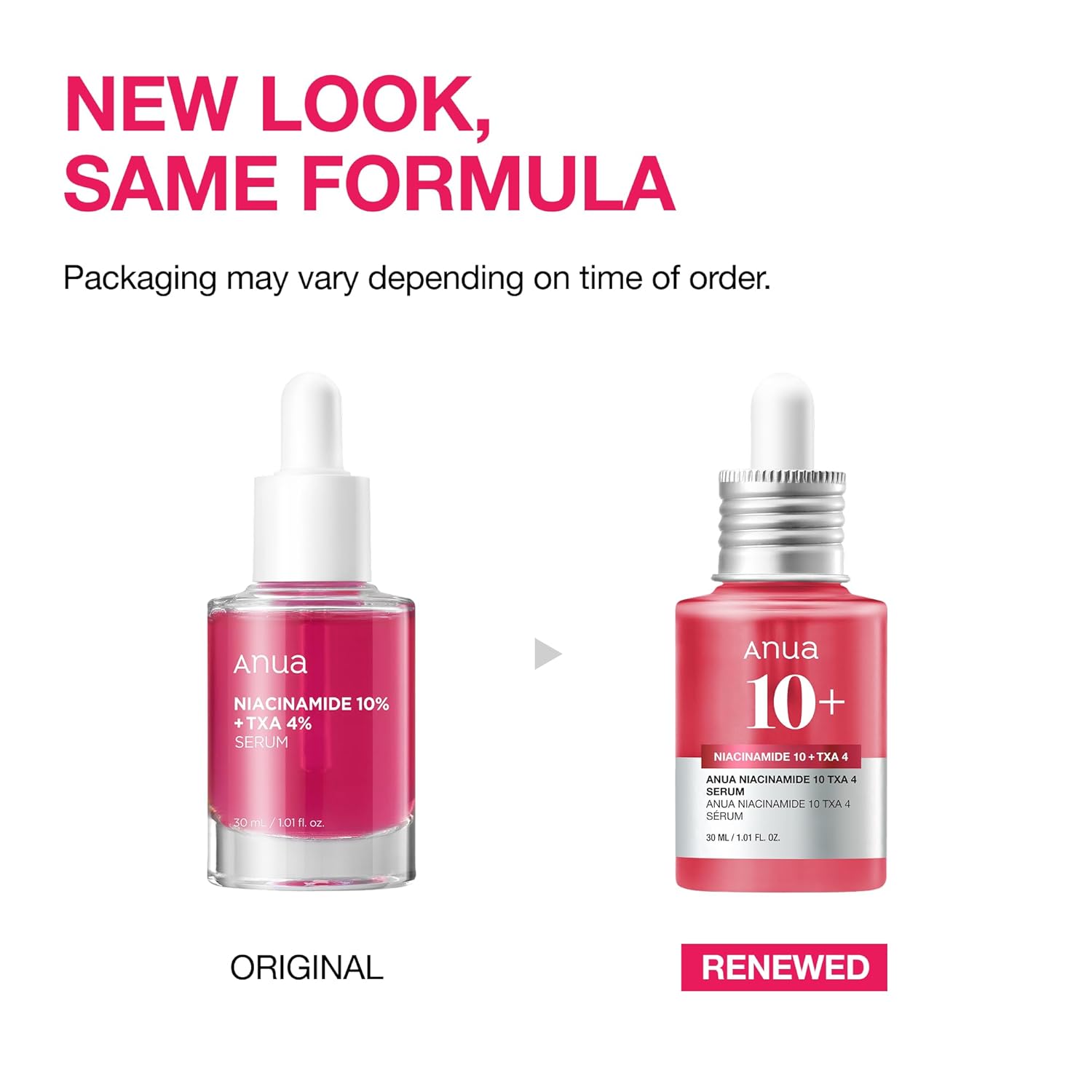
If you’ve ever stood in a skincare aisle staring at five different “dark spot” serums and wondering why they all cost different amounts and list completely different active ingredients, you’re not alone — and you’re asking exactly the right question. “Dark spots” is a catch-all phrase for several genuinely different skin conditions: post-acne marks left after a breakout heals, melasma driven by hormonal triggers, post-inflammatory hyperpigmentation from waxing or friction, and cumulative sun damage. The reason this distinction matters for your buying decision is direct — tranexamic acid (TXA), niacinamide, and vitamin C work through different biological mechanisms, and matching the ingredient to the pigmentation type changes how quickly you see results, and whether you see any results at all. This breakdown gives you the decision framework, with the mechanisms and trade-offs named explicitly.
| EDITOR'S PICKObagi Medical Professional-C Vi… | Mid-tierCeraVe Vitamin C Serum for Face… | Budget pickSKIN1004 Tone Balancing Capsule… | |
|---|---|---|---|
| Active | Vitamin C | 10% Vitamin C | Niacinamide & TXA |
| Volume | 0.42 Fl Oz | — | 3.38 Fl Oz |
| Skin type | Sensitive | — | — |
| Fragrance-free | — | ✓ | — |
| Brand origin | — | — | Korean |
| Price | $85.00 | $23.86 | $13.58 |
| See on Amazon → | See on Amazon → | See on Amazon → |
The Mechanism Map: What Each Ingredient Is Actually Doing
Understanding the mechanism isn’t academic — it’s how you avoid spending four months on a serum that was never designed for your problem.
Tranexamic Acid (TXA): Blocks the Trigger
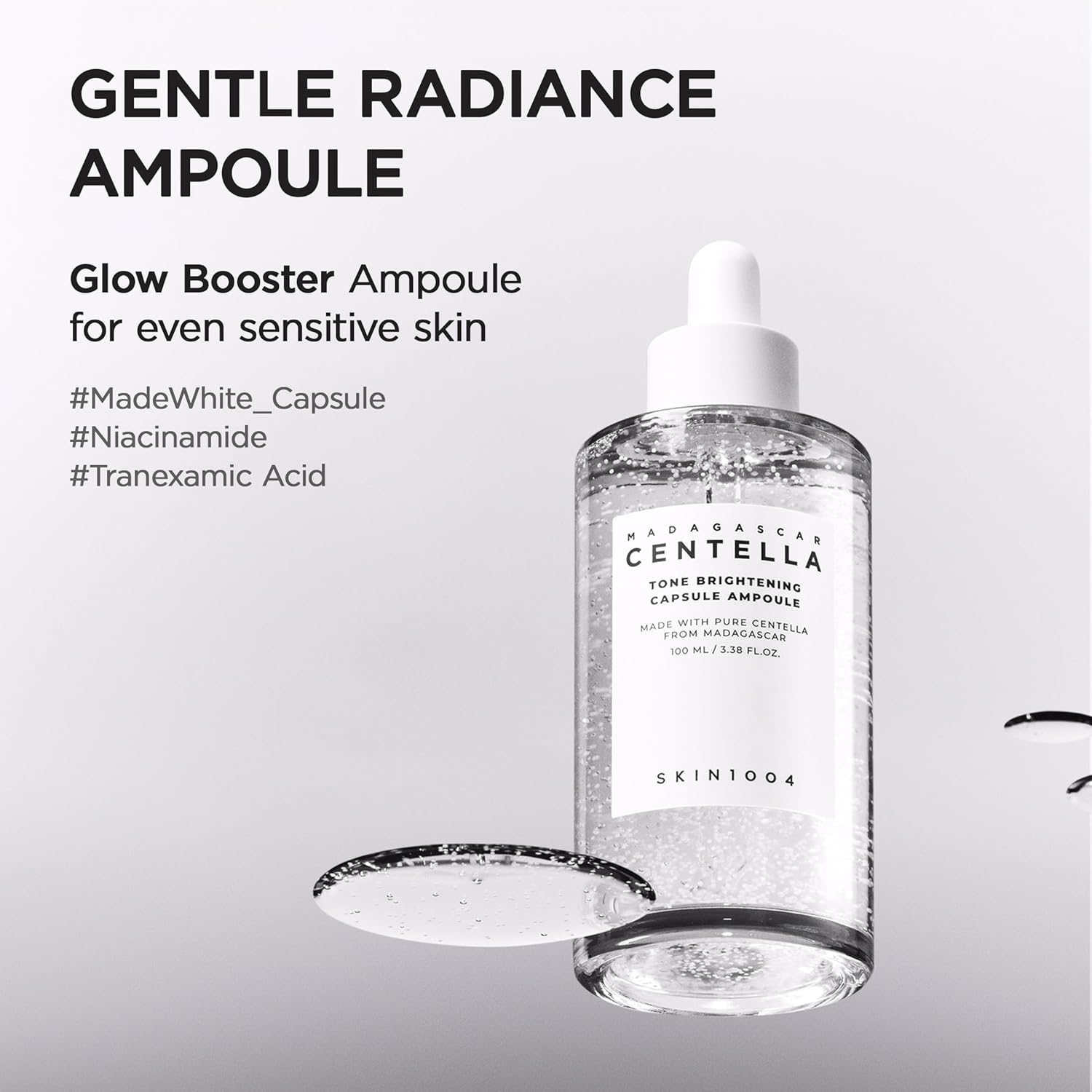
TXA is a synthetic amino acid derivative originally developed as a pharmaceutical clotting agent. Its path into skincare came from observing that patients taking oral TXA for medical reasons showed measurable skin lightening as a side effect. The reason: TXA interrupts the communication pathway between keratinocytes (skin surface cells) and melanocytes (pigment-producing cells). When UV light or inflammation triggers that signaling cascade, melanocytes respond by overproducing melanin — which becomes the visible dark spot. TXA blocks the plasminogen-to-plasmin conversion that initiates this signal, according to a 2022 review published in the Journal of Clinical and Aesthetic Dermatology titled “Tranexamic Acid as a Novel Skin Lightening Agent.” That makes it particularly effective for pigmentation with an inflammatory or hormonal trigger, which is why dermatologists increasingly position it as a first-line over-the-counter option for melasma.
Best for: Melasma, post-acne marks, hormonally driven pigmentation Timeline: Three to six months for established pigmentation Stability: Highly stable; no special storage needed
SKIN1004
$13.58
In stock on Amazon
Check price on AmazonNiacinamide: Slows the Transfer
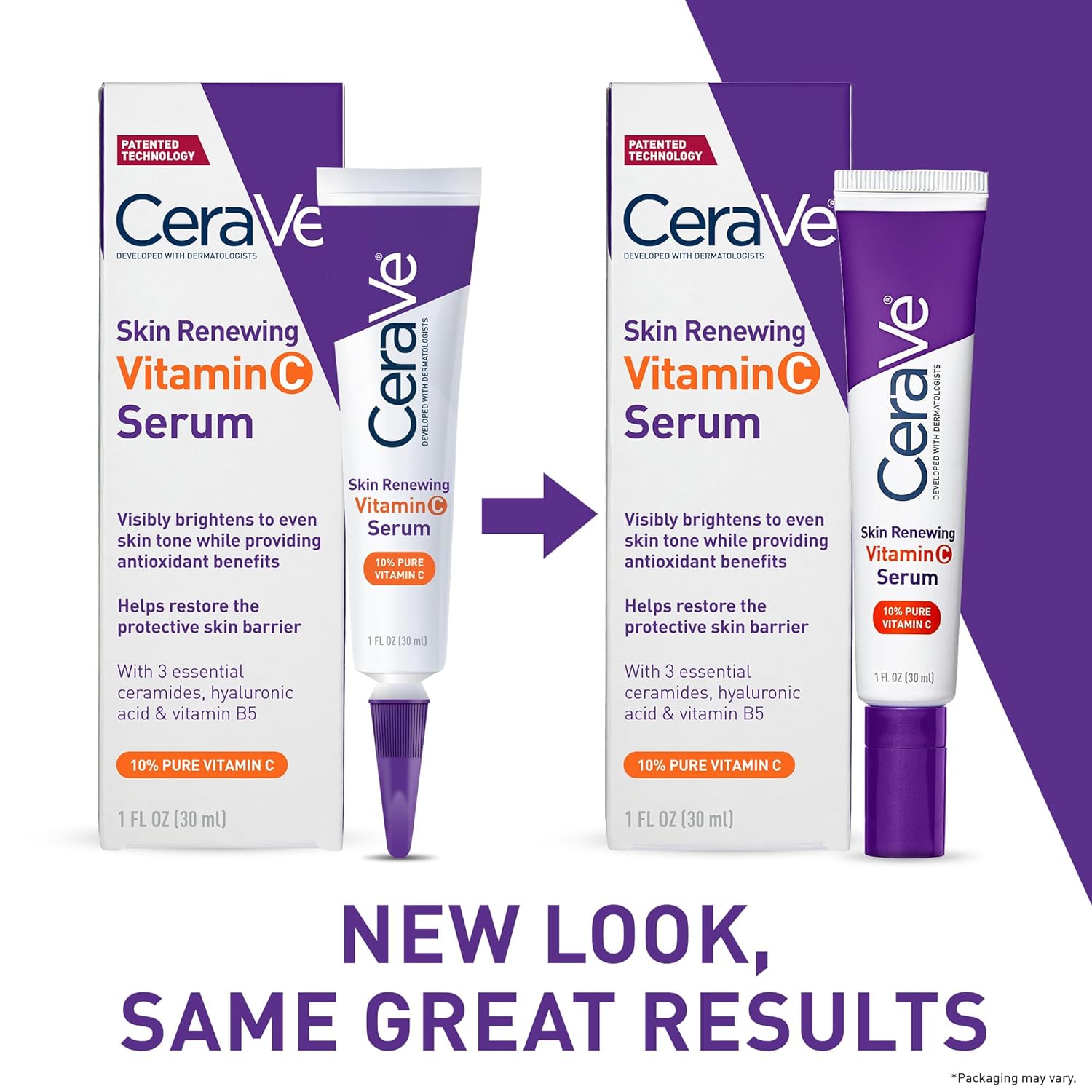
Niacinamide — the cosmetically active form of vitamin B3 — operates at a different step: it doesn’t reduce how much melanin is produced at the source, but rather slows the transfer of melanosomes (melanin-containing packets) from melanocytes to surrounding skin cells. Less transfer means less visible color deposited at the surface. It also strengthens the skin barrier and carries a well-established anti-inflammatory profile, as documented in the Paula’s Choice Ingredient Dictionary entry for niacinamide. That dual action — pigment transfer inhibition plus barrier support — is why niacinamide is frequently paired with prescription actives like tretinoin without compatibility concerns, per Byrdie’s 2025 roundup of dark spot correctors compiled with dermatologist input.
Best for: General surface discoloration, barrier-compromised skin, prescription-active support routines Timeline: Eight to twelve weeks for early changes Stability: Stable across a wide pH range; pH-buffering in formula affects tolerability at high concentrations
CeraVe
$23.86
In stock on Amazon
Check price on AmazonVitamin C (L-Ascorbic Acid and Stabilized Derivatives): Inhibits the Enzyme
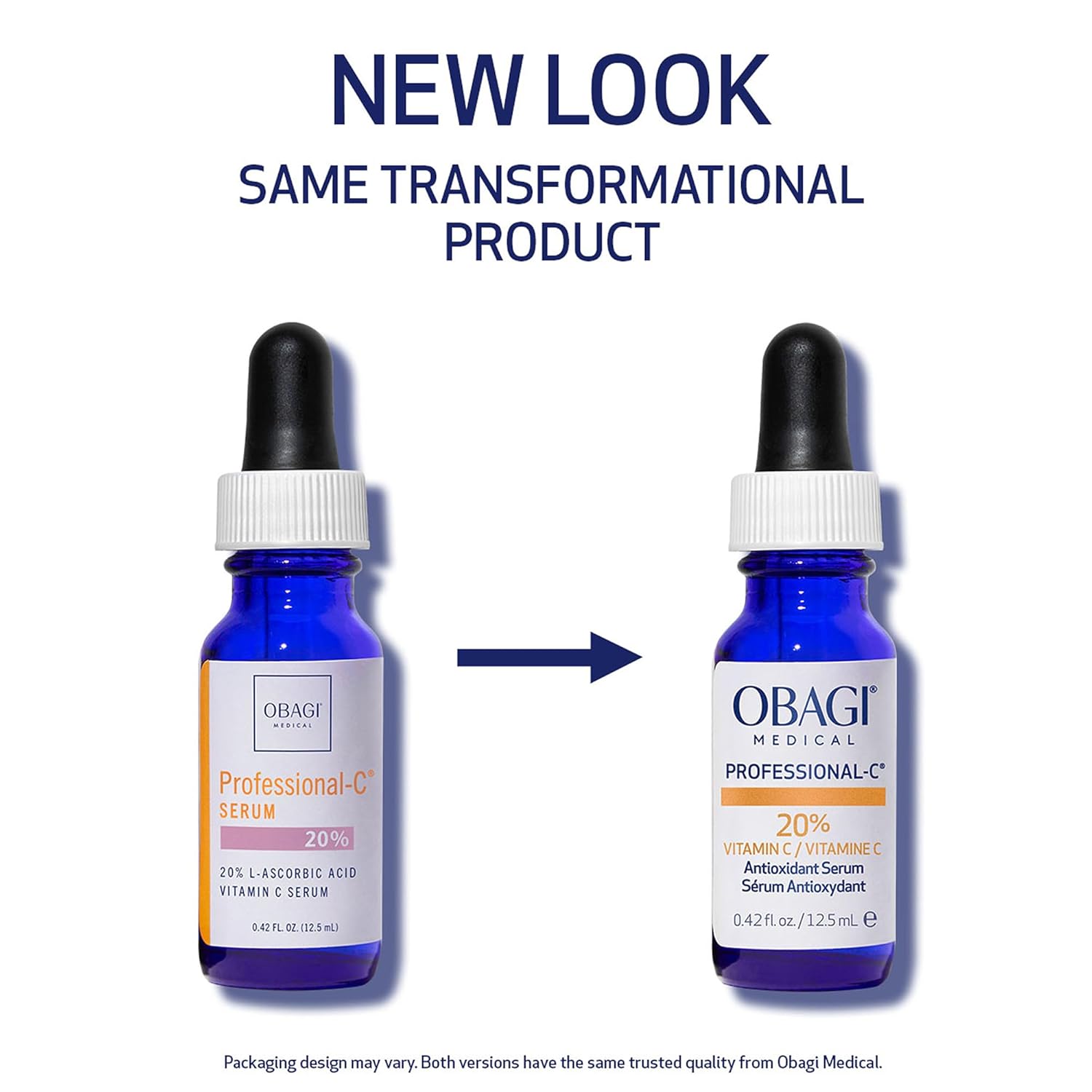
Vitamin C interferes with tyrosinase, the enzyme that converts tyrosine into melanin. Block the enzyme, reduce the pigment produced. It’s a direct antioxidant mechanism, which is why vitamin C also neutralizes free radical damage from UV exposure — making it the only ingredient in this trio that does meaningful photoprotection work when layered under SPF. The trade-off is stability: L-ascorbic acid oxidizes on contact with air and light, which is why formulation quality varies enormously across price points. Stabilized derivatives like ascorbyl glucoside or THD ascorbate sacrifice some potency for shelf life. Allure’s 2024 article “What Is Tranexamic Acid and What Does It Do for Skin?” frames vitamin C’s antioxidant role as complementary to TXA’s signaling-block mechanism rather than redundant with it — a useful framing for anyone building a multi-ingredient routine.
Best for: UV-induced sun spots, general uneven tone, morning antioxidant protection Timeline: Eight to twelve weeks minimum; sun damage responds more slowly than fresh post-acne marks Stability: Variable; L-ascorbic acid degrades quickly once opened; stabilized forms last longer
Obagi
$85.00
In stock on Amazon
Check price on AmazonMechanism Summary Table
| Ingredient | Primary target | Mechanism step | Melasma evidence | Post-acne PIH evidence |
|---|---|---|---|---|
| Tranexamic Acid | Inflammatory + hormonal pigmentation | Blocks melanocyte signaling trigger | Strong (multiple RCTs) | Moderate |
| Niacinamide | Surface-level discoloration, all types | Slows melanosome transfer | Moderate | Good |
| Vitamin C | UV-induced spots, oxidative damage | Inhibits tyrosinase enzyme | Moderate | Moderate |
Product-Level Signals: What the Buyer Record Shows
Aggregated reviewer patterns across this category reveal something that broad ingredient comparisons miss: buyers are treating specific pigmentation types, and they notice when a product addresses their actual condition.
TXA Serums: The Medicube Entry Point
Medicube Age-R Booster-H TXA serum draws a notably diverse buyer pool, including male buyers treating decades-old acne scarring. That claim warrants careful framing: TXA is not a resurfacing agent and does not address textural scarring (atrophic pits require physical or chemical resurfacing). What TXA can address in older acne scarring is residual discoloration — the post-inflammatory pigmentation that darkens or reddens the scar margin even after the texture has stabilized. Buyers describing improvement in older marks are most plausibly seeing TXA address that pigment component, not the structural scar itself. The American Academy of Dermatology’s patient resource on melasma diagnosis and treatment supports TXA as one of the stronger OTC options for pigmentation with an inflammatory driver.
SKIN1004
$13.58
In stock on Amazon
Check price on AmazonNiacinamide Serums: Concentration and Formulation Matter
JUMISO All Day Vitamin Pure 20% Niacinamide Serum generates consistent formulation commentary: buyers note the texture is noticeably thick and anticipate a burning sensation that doesn’t materialize. That’s a meaningful formulation signal. High-concentration niacinamide — anything above 10% — can cause flushing or irritation when the formula isn’t properly pH-buffered or when certain solvents are present. The absence of expected burning suggests effective stabilization, which is relevant context if you’re adding this into a routine that already includes acids. Self.com’s 2024 article “The Difference Between Niacinamide and Vitamin C for Hyperpigmentation” notes that niacinamide’s tolerability across skin types makes it one of the lowest-risk entry points in this category.
La Roche-Posay Mela B3 Serum (10% niacinamide plus LHA exfoliant) consistently appears in the purchase histories of buyers using concurrent prescription actives — tretinoin, azelaic acid, or hydroquinone — who are experiencing redness and dryness from those treatments. This positions Mela B3 less as a standalone corrector and more as a supportive treatment: the niacinamide’s barrier-strengthening properties buffer irritation from the prescription active while continuing to inhibit melanosome transfer. That’s an important framing note for anyone in a dermatologist-supervised routine — it earns a different role in the lineup than a standalone TXA serum would.
CeraVe
$23.86
In stock on Amazon
Check price on AmazonVitamin C Serums: Formulation Quality Drives the Ceiling
CeraVe Vitamin C Serum draws consistent buyer commentary about post-application dryness requiring an immediate moisturizer follow-up. That pattern is worth naming plainly: 10% L-ascorbic acid at a low pH — necessary for stability and absorption — can transiently disrupt the skin barrier. The fix is simple: follow with a barrier-supportive moisturizer within two to three minutes. First-time vitamin C buyers who skip that step often attribute the dryness to the wrong cause and abandon the product prematurely. The brightening ceiling at this concentration is moderate; buyers with mild sun-damage glow goals consistently report satisfaction, while those with established melasma report underwhelming results, which tracks with the mechanism.
Caudalie Vinoperfect Radiance Serum (featuring viniferine, Caudalie’s proprietary grape-derived compound) has an unusually long reviewer track record — buyers using it for five or more years provide clearer long-timeline testimony than almost any other product in this category. That cohort consistently names a three-to-six month window for visible results. One recurring pattern: buyers who saw results for themselves subsequently purchased for a teenager’s acne scarring, suggesting confidence in the mechanism across skin types and ages. Caudalie’s published ingredient rationale positions viniferine as operating via a tyrosinase-inhibition pathway comparable to vitamin C, though independent head-to-head controlled trial data against L-ascorbic acid at matched concentrations remains limited. What the long-term buyer record does show is consistent results over a realistic timeline — real-world signal, even if not a controlled trial.
Obagi
$85.00
In stock on Amazon
Check price on AmazonStacking and Sequencing: The Practical Layer
Morning and evening separation between these ingredient classes is workable and frequently recommended by dermatologists. The reason matters more than the rule. Vitamin C’s antioxidant function makes it genuinely useful in an AM routine layered under SPF; its photoprotective mechanism adds value that it doesn’t offer at night. TXA and niacinamide are both pH-flexible and can slot into AM or PM routines.
Pairing niacinamide with high-concentration vitamin C in the same step has historically been flagged for potential niacinamide-to-nicotinic acid conversion, which can cause flushing — however, Self.com’s 2024 niacinamide and vitamin C explainer notes the evidence on this interaction is less alarming than older sources suggested, particularly at moderate concentrations and in properly formulated products.
A practical sequencing framework:
- AM: Vitamin C serum → moisturizer → SPF 30+
- PM: TXA serum (for melasma or inflammatory pigmentation) or niacinamide serum (for all-over discoloration or prescription-active support) → moisturizer
If you’re mid-prescription-active protocol — tretinoin, hydroquinone — niacinamide in the supportive role described above is the lowest-friction addition to that routine.
Frequently Asked Questions
What is the difference between tranexamic acid and niacinamide for dark spots? TXA interrupts the signal that triggers melanin overproduction, making it most effective where there’s an inflammatory or hormonal driver — melasma, post-acne marks with active inflammation. Niacinamide works downstream, slowing how much of the pigment already produced actually reaches the skin surface. For melasma specifically, TXA has stronger clinical trial evidence, per the Journal of Clinical and Aesthetic Dermatology’s 2022 review “Tranexamic Acid as a Novel Skin Lightening Agent.”
How long does it realistically take to see results from an OTC dark spot serum? Eight to twelve weeks for early changes, with full results in three to six months for established pigmentation — which matches what Caudalie Vinoperfect’s longest-term buyers consistently report. Any product claiming four-week transformation is working in best-case framing. Older spots and melasma take longer than fresh post-acne marks.
Can I use vitamin C in the morning and TXA at night? Yes — this is a practical, commonly used split. Vitamin C’s antioxidant mechanism earns its place in the morning when it works alongside SPF. TXA has no meaningful AM vs. PM advantage, so the PM slot is logical. The combination addresses different steps of the pigmentation pathway and is not contraindicated, per Allure’s 2024 TXA coverage and the American Academy of Dermatology’s melasma treatment patient resource.
Which dark spot ingredient works best for melasma specifically? The American Academy of Dermatology’s melasma diagnosis and treatment patient resource and a growing body of clinical literature position TXA as one of the strongest OTC options for melasma because its mechanism directly interrupts the hormonal and inflammatory signaling cascade that drives the condition. Niacinamide is a solid supportive layer. Vitamin C helps prevent new UV-triggered pigmentation but doesn’t address the hormonal trigger. Moderate-to-severe melasma usually requires prescription intervention alongside any OTC active.
The Decision Rule
Match the ingredient to the pigmentation source and you’ve made a defensible decision at any price point in this category.
Melasma or inflammatory post-acne discoloration: TXA is the mechanism-matched choice. Medicube is the accessible entry point; budget three to six months.
On prescription actives with barrier disruption: Niacinamide in the barrier-supportive role — specifically the La Roche-Posay Mela B3 formulation — adds value without introducing compatibility risks.
Sun damage, general uneven tone, antioxidant protection: Vitamin C in the AM under SPF is doing two jobs simultaneously. CeraVe is the honest budget tier; plan the moisturizer follow-up step.
Long-timeline, all-type brightener with durable buyer endorsement: Caudalie Vinoperfect’s five-year repeat-buyer cohort is a meaningful real-world signal. Set a realistic three-month checkpoint before evaluating results.
The mechanism is the map. Use it.