August 8, 2026 • Celeste Morrow • 10 min reading time • Prices verified June 4, 2026
The Melasma and Stubborn Dark Spot Playbook: TXA, Viniferine, Melasyl, and Niacinamide Combos Ranked
Melasma — the patchy, brownish discoloration that settles on cheeks, upper lip, and forehead after sun exposure, hormonal shifts, or both — is one of the most stubborn problems in skincare. It is not an acne scar you can exfoliate away; it is a signaling dysfunction deep in the skin where melanocytes (the cells that produce pigment) have become overactive and hypersensitive to light and hormones. The good news is that the last five years have produced several genuinely effective non-prescription ingredients that work through different, complementary mechanisms. If you have spent money on vitamin C serums that oxidized before they could work, or you have been staring down a prescription hydroquinone consult, this guide is for you. We will rank the major players — tranexamic acid (TXA), Melasyl, viniferine, and niacinamide — by the evidence behind them, the patience they demand, and how to build combinations that actually make sense together.
One caveat before we go further: reviewer accounts across every ingredient in this category share a single non-negotiable variable. Patience and consistency determine whether any of these ingredients work. We are talking three-to-six months of twice-daily application alongside daily SPF 30 or higher — full stop. If your routine is not airtight on both of those fronts, no ingredient ranking matters.
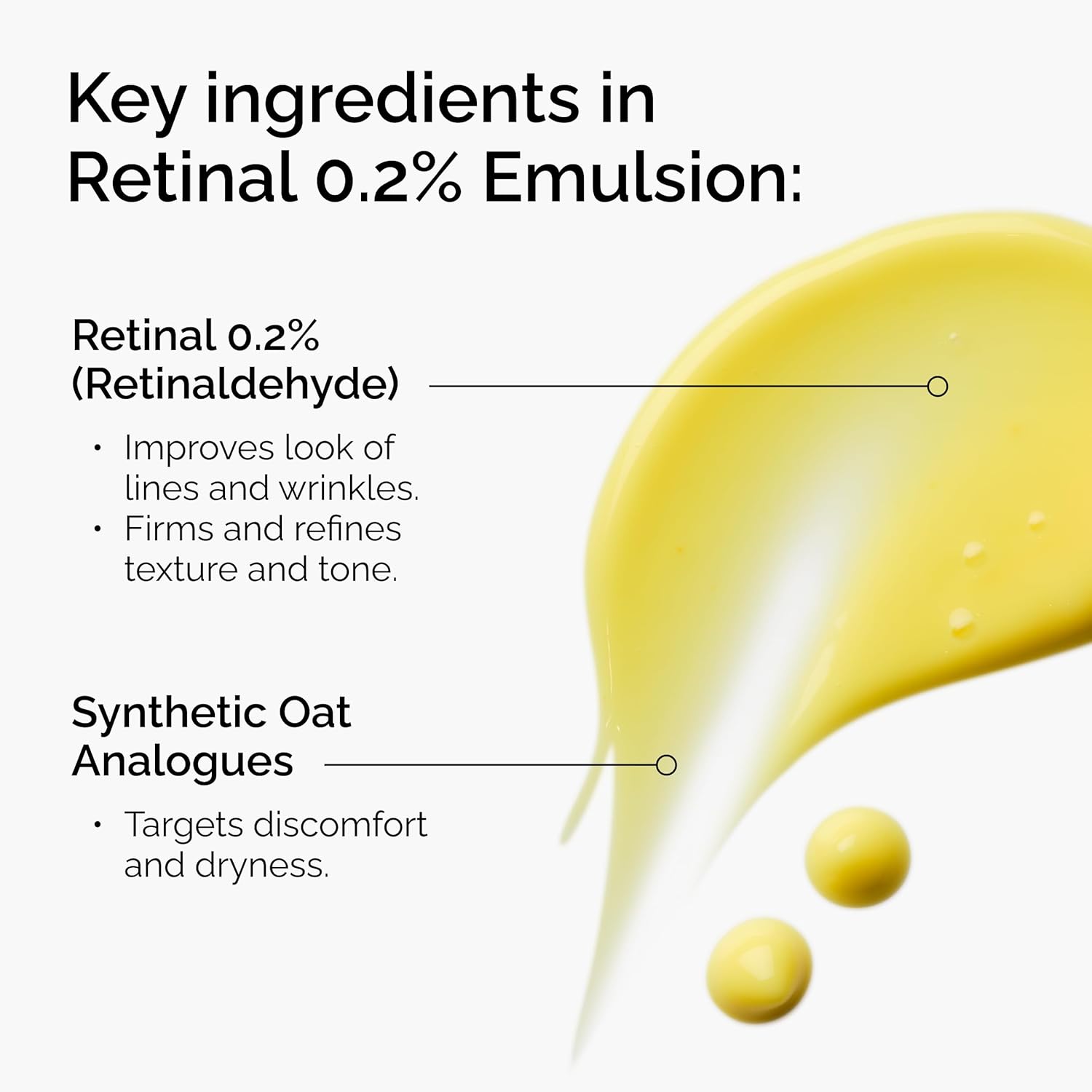
| EDITOR'S PICKLa Roche-Posay Mela B3 Serum | Mid-tierCOSRX 15% Niacinamide Face Serum | Budget pickThe Ordinary Retinal 0.2% Emuls… | |
|---|---|---|---|
| Key active | Melasyl + 10% niacinamide | 15% niacinamide | 0.2% retinal |
| Size | 1 fl oz | 0.67 fl oz | 0.5 fl oz |
| Format | Serum | Serum | Emulsion |
| Sun-spot claim | ✓ | ✗ | — |
| Pore claim | — | ✓ | — |
| Price | $44.99 | $19.98 | $14.90 |
| See on Amazon → | See on Amazon → | See on Amazon → |
How These Four Ingredients Actually Work — and Why That Changes How You Combine Them
Understanding the mechanism is not optional when you are spending $40–$120 on a serum and committing months to it. Here is the short version:
Tranexamic acid (TXA) interrupts the conversation between keratinocytes (surface skin cells) and melanocytes. Keratinocytes send a “make more pigment” signal when they detect UV damage or inflammation; TXA blocks part of that signal. Per the Paula’s Choice Ingredient Dictionary’s tranexamic acid entry, it also inhibits plasminogen activators, which play a role in the post-inflammatory pigmentation cascade. The result is that melanocytes calm down over time rather than continuing to overproduce. Effective concentrations in over-the-counter products typically run 2–5%.
Melasyl (INCI name: methoxy-PEA, or methoxyphenyl aminoethanol) is a patented molecule from L’Oréal’s research division, licensed to La Roche-Posay as a key active in their Mela B3 line. Cosmetics and Toiletries’ clinical evaluation summary from 2022 describes Melasyl as targeting the melanin-transfer pathway — specifically the interaction between melanocytes and the surrounding skin cells that receive and express pigment. It does not bleach existing pigment; it reduces the rate of new pigment formation and transfer. This is a crucial distinction: you will not wake up lighter in week two. You will see the new spots stop forming and the surface-level discoloration fade as skin turns over.
Viniferine is a grapevine shoot extract (from Vitis vinifera, the same plant as wine grapes) developed and patented by Caudalie. It inhibits tyrosinase — the enzyme that kickstarts melanin production — and carries antioxidant properties that help protect against UV-triggered pigmentation signals. Byrdie’s best dark spot treatments roundup notes that viniferine has generated strong loyalty among reviewers who have used it consistently, with one of Caudalie’s longest-tenured reviewers reporting visible results only after committing to a five-year, three-to-six month minimum per cycle discipline.
Niacinamide (vitamin B3) does not prevent pigment from forming; it inhibits the transfer of melanin from melanocytes into keratinocytes. Per Self.com’s niacinamide overview, it also improves barrier function, reduces redness, and is tolerated by virtually every skin type including rosacea and eczema-prone skin. At concentrations of 10–20%, it has meaningful brightening data. Below 5%, it is mostly a barrier and anti-inflammatory ingredient.
The combination logic: TXA and Melasyl both hit upstream signaling; viniferine hits tyrosinase; niacinamide hits melanin transfer. Stack them strategically and you are blocking the pigmentation pathway at multiple points. The risk is not synergistic irritation (these are all well-tolerated) — the risk is paying double for two products that hit the same target.
Ranking the Combinations: Decision Frames for Where to Spend
Tier 1 — Highest Evidence, Worth the Full Commitment Window
TXA + Niacinamide at meaningful concentrations (15%+ niacinamide, 2–5% TXA) is the best-supported pairing for melasma and post-inflammatory hyperpigmentation (PIH) if you can find both in one formula or as a clean two-step. Buyers of Medicube’s TXA + Niacinamide serum report very fast dark spot fading, but several reviewers who dug into the results were stacking a complementary kojic acid product at the same time. The writer’s note here is important: that speed of result is a combination effect across the full routine, not the serum alone. If you want clean data on what is working, introduce one new product at a time with a six-to-eight week gap.
La Roche-Posay Mela B3 is the standout single-product recommendation in the Melasyl category. Allure’s melasma treatment explainer calls out Mela B3 as a consistent performer, and aggregated reviewer accounts report visible melasma reduction with twice-daily application over two to four months. One buyer described it as a product she is “religious with” — which is the correct posture. Melasyl’s mechanism requires consistent application to see the new-spot suppression effect.
| Ingredient | Primary Target | Typical Effective % | Result Timeline |
|---|---|---|---|
| TXA | UV/inflammation signaling | 2–5% | 8–16 weeks |
| Melasyl | Melanin transfer + formation | Proprietary (LRP: ~1–2%) | 12–20 weeks |
| Viniferine | Tyrosinase inhibition | Proprietary (Caudalie) | 12–24 weeks |
| Niacinamide | Melanin transfer | 10–20% | 8–12 weeks |
Tier 2 — Strong Anecdotal Support, Contextual Best-Fits
Viniferine (Caudalie Vinoperfect) earns its place for buyers who prefer fragrance-forward formulas and want a tyrosinase-inhibitor that isn’t vitamin C. The honest trade-off: the Caudalie serum has a noticeable scent that some reviewers find unpleasant. The smell comes from the botanical base and natural extracts — it does not indicate spoilage and it does not affect efficacy. If fragrance is a migraine trigger for you, this is a real deterrent; for everyone else, it is cosmetic, not functional.
JUMISO 20% Vitamin C Serum generates one of the more striking data points in the cluster: a 52-year-old buyer with documented sun damage and melasma called it “better than Obagi.” That is a significant claim. To contextualize it without over-claiming: L-ascorbic acid at 20% is a clinically meaningful concentration with strong tyrosinase-inhibiting and antioxidant data, per the Journal of the American Academy of Dermatology’s tranexamic acid review (which contextualizes vitamin C as a comparator). At that concentration it is also the most likely of these ingredients to destabilize, oxidize, and cause sensitivity. If you are keeping a vitamin C serum longer than three months, the efficacy window may have already closed regardless of the formula.
Anua’s niacinamide-forward serum is worth flagging for a usage technique that most reviewers miss. One buyer with rosacea and eczema used the serum only on a single targeted red mark rather than applying all over — a spot-treatment approach that dramatically reduced her irritation risk and let her isolate results on a specific spot. For sensitive-skin readers, this is a meaningful tip: niacinamide is gentle, but any product can cause reactivity in compromised barrier situations, and targeted application gives you a controlled test before full-face commitment.
The SPF Question — and Why It Is Not Optional
Every dark spot treatment in this guide works by reducing melanin production, suppressing pigmentation signals, or limiting melanin transfer. UV exposure activates every single one of those processes within minutes. Using a TXA or Melasyl serum without SPF 30 or higher every morning is like bailing water from a boat with a hole still in it. Allure’s melasma treatment explainer is explicit on this: sunscreen is not an accessory to these treatments — it is the treatment’s foundation. A physical or chemical SPF 30–50 (with UVA and UVB coverage) applied every morning, reapplied at midday if you are outdoors, is the multiplier that determines whether three months of serum application translates into visible results.
If X, Then Y — Your Decision Framework
This is the practitioner close, because ingredient lists without decision rules waste your time.
- If you have true melasma (hormonally driven, symmetrical, deep): Lead with La Roche-Posay Mela B3 twice daily. Add a separate niacinamide at 10–15% in your PM routine. Do not skip SPF. Evaluate at month three, not week six.
- If you have post-inflammatory hyperpigmentation (PIH) from acne or eczema: TXA + niacinamide combination (in one serum or layered) is your strongest play. The inflammatory pathway is the primary driver, and TXA’s mechanism maps directly to that.
- If you have sun damage and are not dealing with active hormonal melasma: Viniferine or a high-concentration vitamin C serum (stabilized, sub-three months old) is a rational starting point. Tyrosinase inhibition is your primary need.
- If you have rosacea, eczema, or reactive skin: Use Anua-style targeted application before going all-over. Niacinamide is your safest standalone; add TXA only when your barrier is stable.
- If you want to run a true combination stack: TXA in AM (under SPF), Melasyl or niacinamide 15% in PM. That hits signaling, transfer, and barrier without redundancy. Give it four months before layering in a third active.
- If a combination stack produces faster results than expected: Audit your full routine before attributing the result to any single product. Kojic acid, azelaic acid, or other actives elsewhere in your routine may be doing meaningful work.
Frequently Asked Questions
How long does it actually take to see results from TXA on melasma? The honest answer is eight to sixteen weeks of twice-daily application with consistent SPF use. Early reviewers who report results in four weeks are typically dealing with surface-level PIH rather than true melasma. Deep, hormonally driven melasma requires patience into the twelve-to-twenty-week range, and maintenance is lifelong — melasma is a chronic condition, not a one-time fix.
Can I use a niacinamide serum and a TXA serum at the same time in the same routine? Yes — they are mechanistically complementary and neither is a known irritant to the other. The practical question is sequence: apply thinner, more water-based serums first, allow each to absorb for sixty to ninety seconds, and layer toward heavier formulas. If both are water-based serums, the order is flexible. What you want to avoid is layering TXA directly over or under an acid exfoliant (AHA/BHA), which can disrupt skin pH and cause unnecessary sensitization.
Is Melasyl or viniferine better than vitamin C for sun spots? It depends on your skin type and tolerance. High-concentration L-ascorbic acid has the most research volume, but it is also the most likely to oxidize, sensitize reactive skin, and disappoint if stored incorrectly. Melasyl and viniferine offer better stability and gentler profiles at the cost of a longer result timeline. For sensitive skin or anyone who has had bad experiences with vitamin C, Melasyl-based products like La Roche-Posay Mela B3 are a more predictable choice.
Why does the Caudalie serum smell bad — and does that affect how it works? The scent in Caudalie Vinoperfect products comes from its botanical extract base, not from spoilage or instability. The formulation remains effective regardless of the aroma. If you find the scent genuinely intolerable, that is a real quality-of-life reason to choose a different product — consistency matters above everything else in this category, and a product you avoid using is a product that doesn’t work.
Do I still need to wear SPF every day while using any of these dark spot treatments? Yes, without exception. Every ingredient in this guide — TXA, Melasyl, viniferine, niacinamide — reduces pigment formation, but none of them blocks the UV signals that trigger that formation in the first place. SPF is not optional finishing step; it is the baseline that makes every other ingredient functional. Broad-spectrum SPF 30 minimum every morning, reapplied at midday if you are outdoors.