July 28, 2026 • Celeste Morrow • 10 min reading time • Prices verified June 4, 2026
The Glow Recipe, SK-II, and Tatcha Question: Are Premium Serums and Creams Worth the Price Jump?
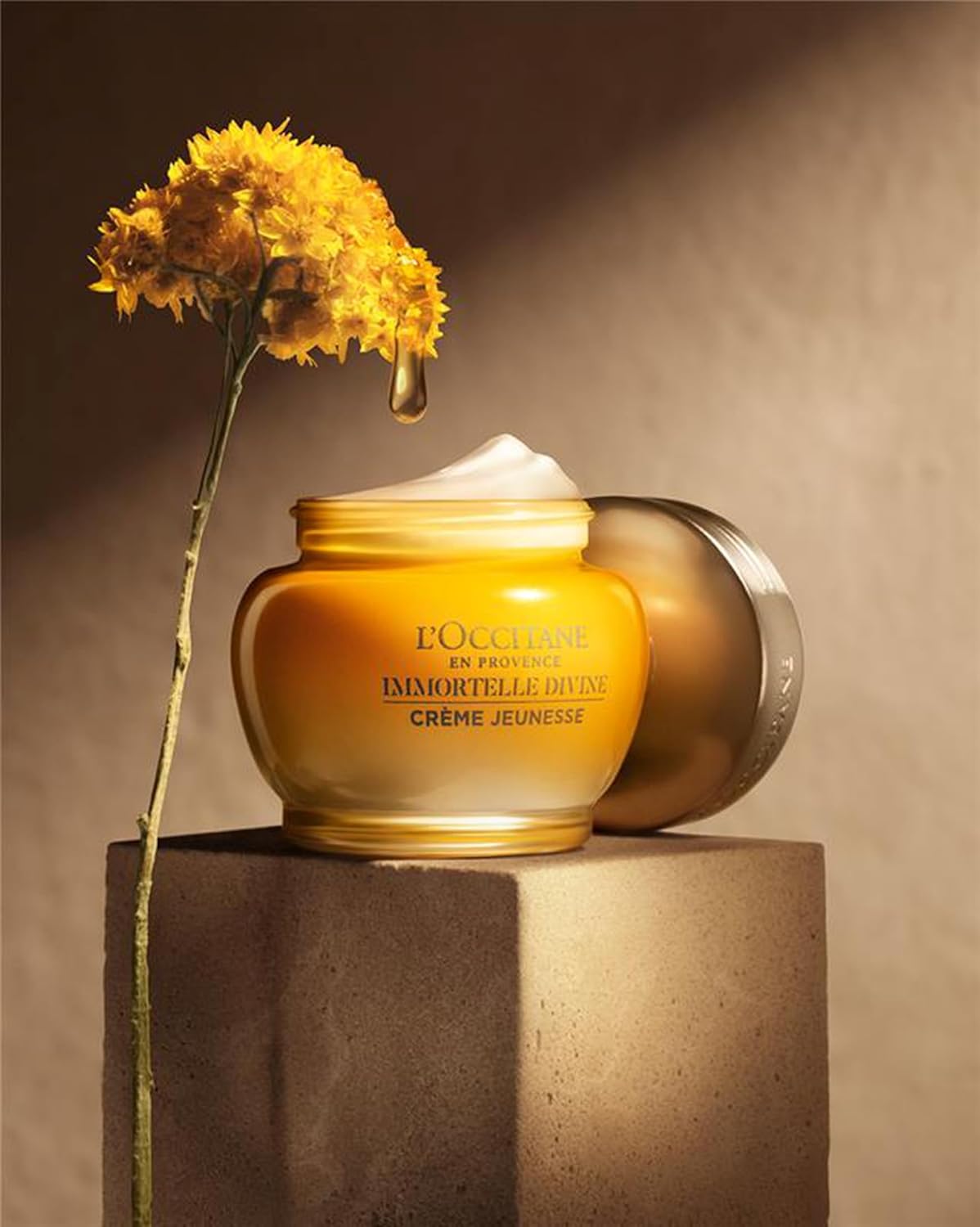
If you’ve ever stood in the skincare aisle holding a $28 CeraVe moisturizer in one hand and a $68 Tatcha cream in the other — genuinely unsure whether the price gap reflects real results or really good marketing — you’re in the right place. A serum is a lightweight, concentrated formula designed to deliver active ingredients (like vitamin C, niacinamide, or fermented extracts) deeper into the skin than a typical moisturizer can. A cream is a richer, occlusive layer that seals in that work and hydrates. Together, they form the backbone of most prestige skincare routines. This article breaks down what owners, dermatologists, and long-term reviewers consistently say about three of the most-asked-about premium lines — Glow Recipe, SK-II, and Tatcha — compares them honestly against the most credible budget counterarguments, and ends with a plain-English decision rule: when the splurge is genuinely defensible, and when it isn’t.
| EDITOR'S PICKSK-II Facial Treatment Essence… | Mid-tierIMAGE Skincare | Budget pickShiseido Essential Energy Hydra… | |
|---|---|---|---|
| Form | Essence | Serum | Cream |
| Size | 2.5 fl oz | 1 fl oz | 1.7 oz |
| Key Ingredient | — | Hyaluronic | Hyaluronic Acid |
| Target Concern | Fine lines | Fine lines | Pores & fine lines |
| Skin Type | — | — | All skin types |
| Price | $99.00 | $89.00 | $53.00 |
| See on Amazon → | See on Amazon → | See on Amazon → |
What You’re Actually Paying For: Ingredients vs. Experience
Prestige skincare marketing is fluent in beautiful language — “haiku-inspired rituals,” “holy water,” “liquid gold” — and if you’ve read enough reviews, you’ve noticed that buyers use words like treat, splurge, and luxurious in ways drugstore reviewers simply don’t. That’s not accidental. The prestige price tier bundles three distinct things, and it helps to unbundle them before deciding how much each is worth to you.
1. Active ingredient concentration and delivery. SK-II’s Facial Treatment Essence is built around Pitera, the brand’s proprietary name for galactomyces ferment filtrate — a yeast-derived ingredient with a credible body of research behind it. As Paula’s Choice’s ingredient dictionary notes, galactomyces ferment filtrate has demonstrated skin-brightening, texture-refining, and barrier-supporting properties across multiple published studies. At roughly 90% concentration in the SK-II formula, you are getting a meaningful dose, not a trace listing. That matters. Glow Recipe’s Watermelon Glow Niacinamide Dew Drops center on niacinamide (vitamin B3), a well-studied brightening and pore-minimizing ingredient that EWG Skin Deep rates with a strong safety profile, combined with hyaluronic acid and a light-reflective finish that bridges serum and primer territory. Tatcha’s Dewy Skin Cream uses the brand’s Hadasei-3 complex — a blend of Japanese green tea, rice, and algae — which Into the Gloss has covered as part of Tatcha’s founding ethos around traditional Japanese skincare ritual.
2. Formulation elegance and sensory design. Prestige labs spend significant budget on texture, scent architecture, and stability. Owners of Tatcha’s Dewy Skin Cream frequently describe the texture as “cloud-like” and report that it layers cleanly under SPF without pilling — a formulation engineering feat that genuinely costs money to solve. This is real value if you wear foundation daily.
3. Brand ritual and psychological return. This one is honest rather than cynical. A skincare routine you enjoy using is a routine you actually complete. Compliance matters. If a $68 cream makes you look forward to your evening routine in a way a $16 tub doesn’t, that behavioral advantage has real downstream benefit for your skin.
The Strongest Counter-Argument: The CeraVe Case
Let’s name the elephant: a 54-year-old reviewer on a major retailer’s site documented buying CeraVe Night Cream for her self-described “Sahara-level dry” skin, and reported being asked if she’s in her 30s. That is the most powerful counter-argument to prestige pricing in this entire category, and intellectual honesty requires surfacing it.
CeraVe’s formulas contain ceramides (skin-barrier lipids), hyaluronic acid, and niacinamide — ingredients that appear in products costing five to ten times more. Byrdie’s editorial team has consistently noted that for patients focused on barrier repair and basic hydration, dermatologists frequently cite CeraVe and Vanicream as clinically sound first choices before luxury products enter the conversation.
The prestige counter-counter-argument: concentration, additional actives, and delivery system. A Tatcha or SK-II formula often stacks multiple evidence-backed ingredients at higher concentrations with more sophisticated emulsification — meaning more of the active actually reaches the skin layer where it does work. But here’s the honest trade-off table:
By the numbers — rough per-ml cost comparison (2026 pricing)
| Product | Size | Approx. Retail | Per-ml Cost |
|---|---|---|---|
| CeraVe Moisturizing Cream | 539g jar | ~$22 | ~$0.04/ml |
| Tatcha Dewy Skin Cream | 50ml | ~$68 | ~$1.36/ml |
| SK-II Facial Treatment Essence | 230ml | ~$185 | ~$0.80/ml |
| Glow Recipe Dew Drops | 40ml | ~$39 | ~$0.98/ml |
| Caudalie Vinoperfect Serum | 30ml | ~$79 | ~$2.63/ml |
The math is not an argument against prestige — it’s a framing tool. At $1.36/ml, Tatcha needs to deliver something CeraVe demonstrably cannot. For a lot of skin types and goals, it does. For others, it doesn’t.
Caudalie and Drunk Elephant: The Smell-Efficacy Pattern
A recurring note across long-term Caudalie Vinoperfect and Drunk Elephant reviews is worth surfacing explicitly: an unpleasant, earthy, or ferment-adjacent smell often correlates with products that reviewers report as genuinely effective. Dermstore’s editorial on Caudalie Vinoperfect documents a five-year buyer relationship with the serum and notes that reviewers consistently report a three-to-six month timeline before visible brightening results solidify. That’s an unusually honest usage timeline — most prestige marketing implies faster transformation.
The smell-efficacy pattern has a plausible mechanism: active ingredients like fermented extracts, high-concentration vitamin C (especially L-ascorbic acid), and resveratrol-based antioxidants tend to be chemically reactive, which creates scent. Stabilized or encapsulated versions that smell neutral often sacrifice some bioavailability to achieve stability. Neither is inherently superior — it’s a formulation trade-off. If you’re buying Drunk Elephant’s C-Firma or Caudalie Vinoperfect and the smell surprises you, that’s not a quality defect; it may be the opposite.
The Tatcha Sample-to-Purchase Funnel and What It Tells You
The Tatcha Dewy Skin Cream buyer who first received a sample in an Ipsy bag before committing to the full jar is a near-universal pattern in prestige skincare — and it’s worth understanding why. That funnel exists because full-jar commitment at $68 is genuinely hard to justify blind. Allure’s moisturizer coverage has noted the Dewy Skin Cream as a standout for combination and normal skin types, specifically calling out its non-greasy finish that works for year-round use.
The practical takeaway: if you’re evaluating Tatcha or any SK-II product, the trial-size funnel is not just a marketing gimmick — it’s the rational purchasing path. A $20–$30 trial size of SK-II Facial Treatment Essence worn for four to six weeks tells you far more than any review, because skin response to fermented actives is genuinely individual.
The SK-II reviewer archetype worth emulating is the one who wrote (across multiple retailer review platforms): “I’m also doing red light therapy and I cannot isolate the variable.” That sentence is unusually self-aware. Prestige skincare reviews suffer from confounding: buyers who invest $185 in a single product typically also upgrade their SPF, their sleep, their diet, and their full routine simultaneously. Separating SK-II’s Pitera from all of that is genuinely hard. Weight the reviews from users who document stable baselines.
Frequently Asked Questions
Is it safe to buy SK-II or Tatcha on Amazon, or is there a counterfeit risk?
Yes, counterfeit risk is real and documented at this price tier. Both SK-II and Tatcha are sold by third-party marketplace sellers on Amazon, and authorized-retailer status is not guaranteed unless you’re buying directly from the brand’s own storefront on the platform — which both brands operate. The safer path: buy from Sephora, Nordstrom, the brand’s own DTC site, or Dermstore, all of which are authorized retailers with verifiable supply chains. At $185 for an SK-II essence, a counterfeit is not just a waste of money — it’s an unknown formulation on your face. Byrdie’s counterfeit beauty coverage has flagged SK-II specifically as a frequently duplicated product on gray-market channels.
Why do some effective skincare serums smell bad, and does smell indicate ingredient quality?
Smell is a byproduct of chemical activity, not a defect signal. L-ascorbic acid (the most bioavailable form of vitamin C), galactomyces ferment filtrate, and resveratrol-based ingredients all have characteristic scents tied to their molecular structure. Products formulated to smell neutral often use encapsulation or lower pH ranges that reduce potency. Neither approach is wrong — it’s a stability vs. sensory trade-off. If your serum smells strongly but your skin is responding well, trust the results over the scent.
How long does a bottle of Glow Recipe Dew Drops or Caudalie Vinoperfect realistically last?
Glow Recipe Dew Drops comes in a 40ml bottle. Used as directed — two to three drops as a serum or mixed into moisturizer — owners report roughly six to eight weeks of daily use. Caudalie Vinoperfect Serum in its standard 30ml size typically lasts four to six weeks with twice-daily use. Both fall within the normal range for concentrated serum formats, but it’s worth doing the per-use math before purchase.
Can I get the same results as Tatcha or Kiehl’s from a drugstore moisturizer?
For basic hydration and barrier support: often, yes. CeraVe and Vanicream contain the core barrier-active ingredients at lower per-ml cost. For specific concerns — fine texture refinement, brightening, or the sensory compliance factor that gets you to actually use a product twice daily — prestige formulas have a more defensible edge. The honest answer is: try the drugstore option first. If you’re getting the result you want, stay there. If you’re not, the prestige tier becomes worth evaluating.
Is the Glow Recipe serum actually a primer, or is it just marketed that way?
It’s both, depending on how you use it. The Dew Drops formula contains light-diffusing pigments that create a soft-focus, glowy finish skin-side — which is why it works worn alone as a “your skin but better” product. But niacinamide and hyaluronic acid are legitimate skincare actives, not just cosmetic finishing agents. EWG Skin Deep’s profile on the formula confirms the active ingredient deck is substantive. The dual positioning isn’t a marketing trick; it’s a genuinely hybrid formula that works on both axes.
What does IMAGE Skincare’s professional-line positioning mean — do I need a facialist to use it?
IMAGE Skincare was originally distributed exclusively through licensed professional channels (estheticians and dermatology practices), which is where the professional-line reputation comes from. Many of their formulas are now available direct-to-consumer without a prescription. “Professional-strength” in this context means higher concentrations of actives like glycolic acid or retinol — which means patch-testing and gradual introduction matter more than with entry-level formulas. You don’t need a facialist to purchase, but reading the protocol guidance is more important than it is for a gentle, entry-level moisturizer.
The Decision Rule
If your skin concern is basic hydration and barrier repair, and you’re not seeing a clear gap between your current results and your goal: CeraVe, Vanicream, or La Roche-Posay will almost certainly serve you well at a fraction of the cost. The peer-reviewed ingredient science is on their side.
If you’re addressing a specific target — pigmentation, texture refinement, long-cycle brightening — and you’ve already optimized the fundamentals (SPF, cleansing routine, barrier health), then a focused investment in SK-II’s Pitera Essence, Caudalie’s Vinoperfect, or Glow Recipe’s niacinamide drop is a defensible next step, with the expectation that results accrue over three to six months, not three weeks.
If the ritual factor is real for you — if a beautiful product you look forward to using means you actually use it twice a day instead of forgetting it three days out of seven — price that compliance bonus honestly. A $68 cream used every day outperforms a $16 cream used occasionally.
Try the trial size first. Wait out the three-month window. Compare to your baseline honestly. And if someone asks if you’re younger than you are, keep buying whatever you’re buying.