October 15, 2026 • Celeste Morrow • 10 min reading time • Prices verified June 4, 2026
The Retinol Night Cream Bracket: Olay, RoC, Good Molecules, No7, and L'Oreal From $10 to $45
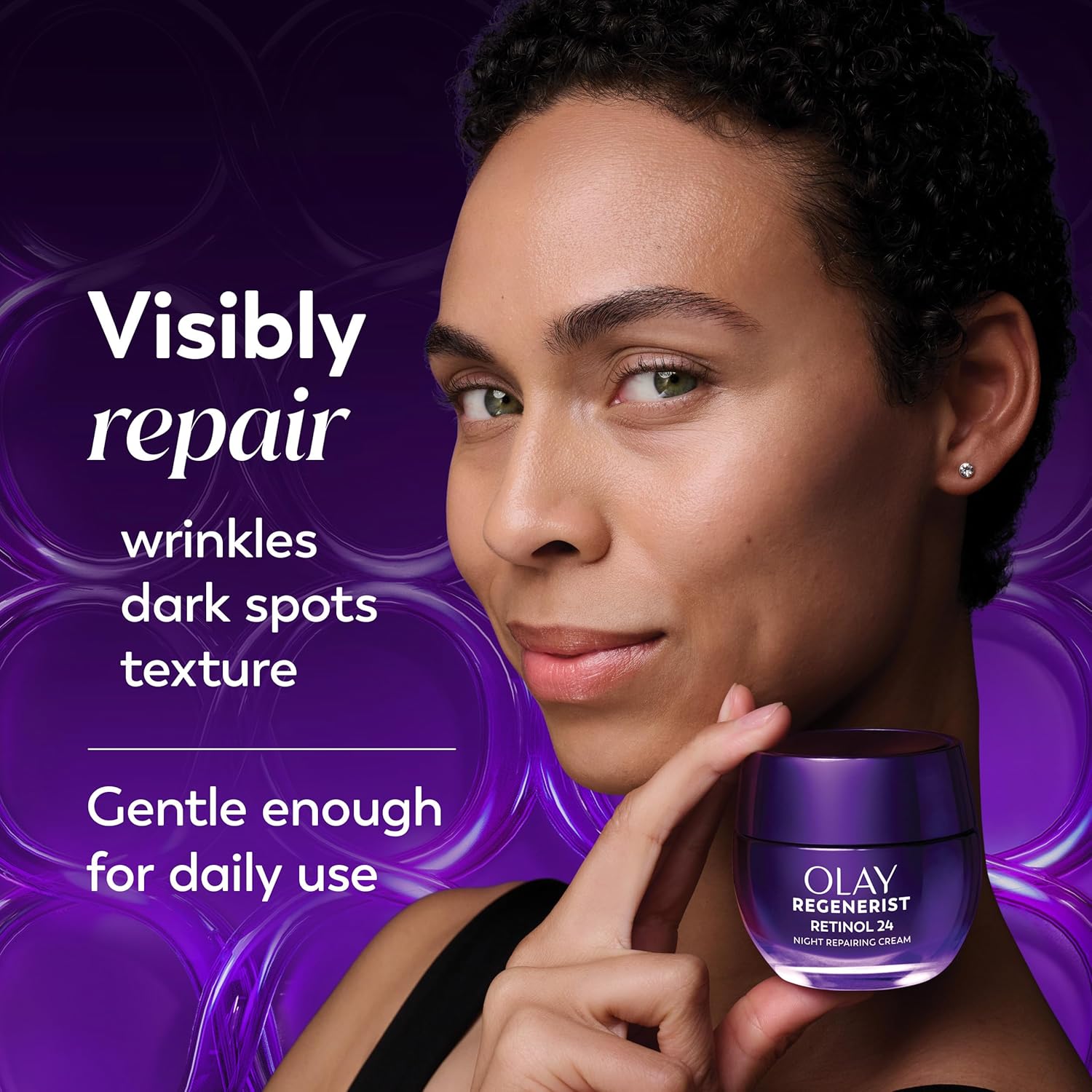
If you have ever stood in the anti-aging aisle feeling overwhelmed by words like “retinol” and “cell turnover,” you are in excellent company. Retinol is a vitamin A derivative — a form of vitamin A that skin can actually use — and it is one of the most studied over-the-counter ingredients in skincare. What it does, in plain terms: it speeds up the rate at which your skin sheds old cells and builds new ones, which over weeks and months can soften fine lines, fade dark spots, and improve overall texture. The catch is that it can also irritate, especially in higher concentrations or in formulas that are not buffered well. This bracket covers five drugstore options spanning roughly $10 to $45 — Olay Regenerist Retinol Night Cream, RoC Retinol Correxion Line Smoothing Night Cream, Good Molecules Gentle Retinol Cream, No7 Pure Retinol Night Concentrate, and L’Oreal Paris Pressed Night Cream — and what follows is an honest comparison drawn from aggregated owner reviews and published formulation analysis, not a lab bench.
| EDITOR'S PICKL'Oreal Paris Revitalift Presse… | Mid-tierRoC Retinol Correxion Max Daily… | Budget pickRoC Retinol Correxion Night Cre… | |
|---|---|---|---|
| Size | 1.7 oz | — | 1.0 oz |
| Niacinamide | ✓ | — | — |
| Hyaluronic acid | — | ✓ | — |
| Fragrance-free | ✓ | — | — |
| Use | Night | Daily | Night |
| Price | $31.99 | $28.47 | $21.97 |
| See on Amazon → | See on Amazon → | See on Amazon → |
The Five Contenders at a Glance
Before diving into the nuances, here is a quick orientation by price tier and positioning. Concentration language at the drugstore level is inconsistently disclosed — not every brand publishes the exact percentage — so where a percentage is absent from the brand’s own labeling, the comparison relies on reported reviewer tolerance patterns and formulation context.
By the numbers:
| Product | Approx. Price | Retinol Concentration | Formulation Style |
|---|---|---|---|
| Good Molecules Gentle Retinol Cream | ~$10–$12 | 1% (disclosed) | Lightweight, barrier-supportive |
| Olay Regenerist Retinol Night Cream | ~$20–$28 | Undisclosed / low-moderate | Rich, emollient |
| L’Oreal Paris Pressed Night Cream | ~$25–$30 | Undisclosed | Lightweight-pressed texture |
| No7 Pure Retinol Night Concentrate | ~$30–$38 | Multiple SKUs, 0.1%–0.3% range | Targeted concentrate |
| RoC Retinol Correxion Night Cream | ~$22–$32 | Undisclosed / reportedly higher | Classic cream, mineral-enriched |
Prices reflect mid-2026 mass-market retailer averages and will shift with promotions.
Where Each Formula Actually Lands
Good Molecules Gentle Retinol Cream
Good Molecules Gentle Retinol Cream occupies a distinctive position in this bracket. Its 1% concentration is disclosed directly on the label — unusual transparency in a segment where most brands remain vague — and reviewers who describe themselves as experienced retinol users repeatedly call it non-irritating even at that level. The explanation is almost certainly formulation context: the cream includes ceramides and soothing humectants that appear to buffer retinol delivery, meaning the 1% is not hitting bare, unprepared skin the way a higher-percentage prescription-adjacent product might.
Reviewers specifically credit it with spot and sun damage improvement without requiring the extended tolerance-building phase that many drugstore retinols demand. Byrdie’s roundup of the best retinol creams calls out the Good Molecules formula for its accessibility-to-efficacy ratio, and that tracks with the owner pattern. The Paula’s Choice Ingredient Dictionary entry for retinol notes that concentrations in the 0.3%–1% range sit within the evidence-supported efficacy window for fine lines and texture — 1% is not a cosmetic gesture. At roughly $10–$12, the cost-per-use math is difficult to beat in this bracket; the main trade-off is that it is thinner and less emollient than the Olay or RoC, making it a better fit for normal-to-oily or combination skin than for dry or mature skin that craves richness.
RoC
$21.97
In stock on Amazon
Check price on AmazonOlay Regenerist Retinol Night Cream and RoC Retinol Correxion Night Cream
Olay Regenerist Retinol Night Cream earns a specific and consistent demographic in its owner reviews: users in their 60s and 70s who migrated away from prestige products in the $80–$150 range. The pattern that keeps surfacing is one of relieved discovery — owners report visibly lighter dark spots and measurably softer skin after roughly four weeks of consistent use, with a recurring observation that the formula “does what the expensive one did at a fraction of the price.” The texture is notably rich and emollient, which matters for skin that has thinned with age and does not respond well to lightweight gels.
The Paula’s Choice Ingredient Dictionary entry on retinol and niacinamide combinations supports the synergy embedded in this formula: niacinamide, which Olay includes prominently, can reduce visible redness that retinol sometimes triggers while independently addressing dark spots. For a practitioner-level reader, the Olay is a genuinely low-risk starting point with published ingredient rationale to back it up — particularly for mature, dry-to-normal skin that is retinol-naive.
RoC
$28.47
In stock on Amazon
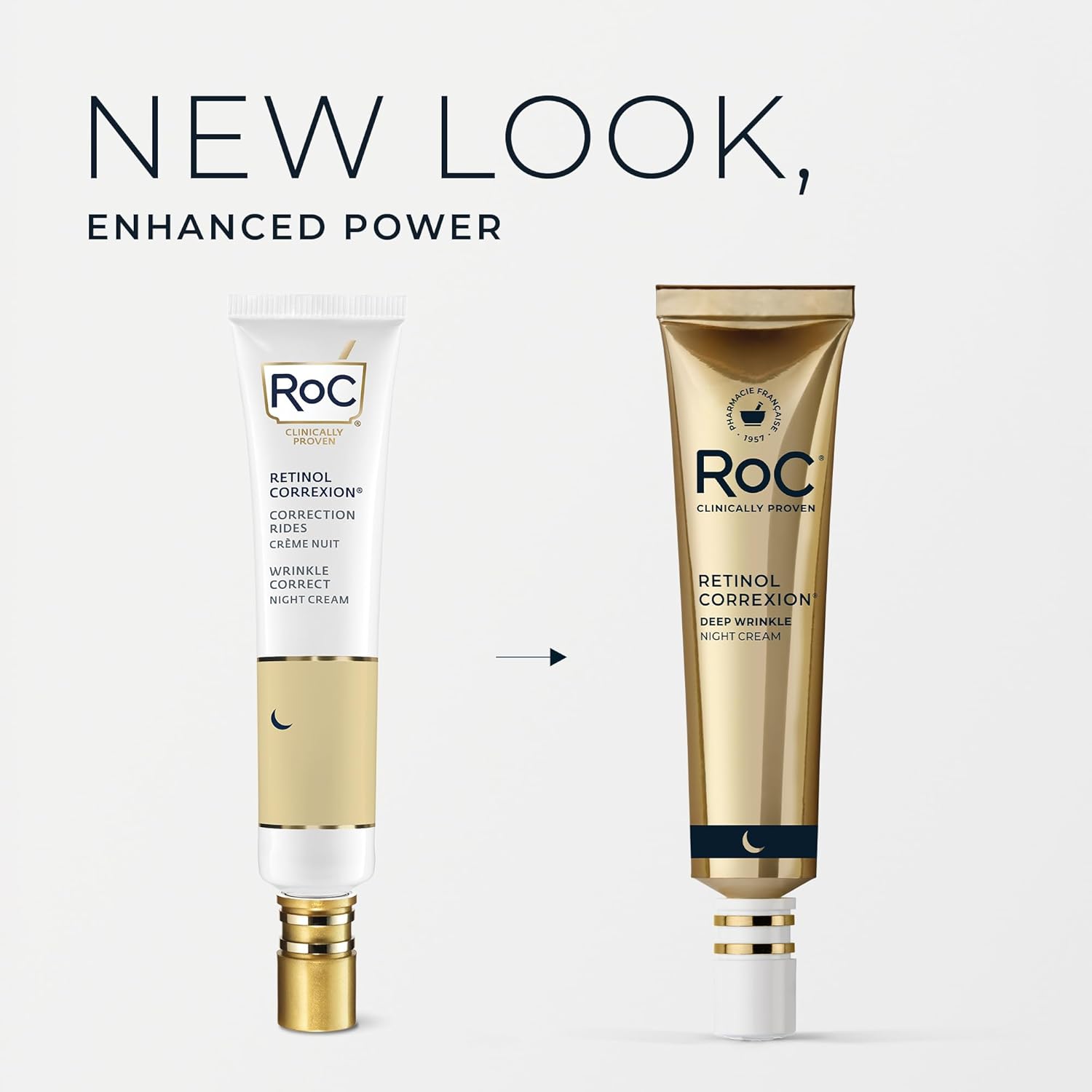
Check price on AmazonRoC Retinol Correxion Line Smoothing Night Cream is the bracket’s most polarizing entry, and the polarization is real enough to require naming explicitly. Owners who tolerate it — and a meaningful cohort does — report genuine, visible wrinkle improvement over 8–12 weeks, the kind of before-and-after delta that has sustained the brand’s long-standing reputation. But multiple reviewers document significant sensitivity reactions: burning, swelling, and sustained redness that persists beyond the normal one-to-two-week adjustment window.
One frequently cited workaround in owner reviews is a “sandwich” method — applying a plain moisturizer first, then the RoC cream on top — which buffers delivery and reduces the acute irritation response. EWG Skin Deep’s database entry for RoC Retinol Correxion Line Smoothing Cream flags the formula’s mineral content (zinc and magnesium are part of the RoC proprietary blend) but rates it relatively low for overall hazard. The irritation divide almost certainly reflects individual skin barrier integrity more than any flaw in the formula itself: owners with compromised or sensitized barriers encounter the formula’s reportedly higher retinol load at full strength. The decision rule for the practitioner: RoC is an appropriate recommendation only for users who have established retinol tolerance elsewhere first, not for beginners, and the sandwich buffering tip is worth passing along proactively.
RoC
$28.47
In stock on Amazon
Check price on AmazonNo7 Pure Retinol Night Concentrate and L’Oreal Paris Pressed Night Cream
No7 Pure Retinol Night Concentrate earns mentions in a specific emotional register in its reviews: generational trust. One buyer’s note about her mother’s endorsement bridging her own purchase decision is not an isolated anecdote — No7’s decades-long presence in the UK market and its Boots-heritage credibility translate to a kind of inherited legitimacy that pure marketing rarely achieves. The formula comes in multiple concentration SKUs (ranging from 0.1% to 0.3%), giving users a formal build-up pathway that is more structured than most drugstore offerings.
Byrdie’s coverage of retinol tolerance building specifically highlights concentration-tiered systems as the most practical approach for users who are prone to sensitivity, and No7’s SKU structure fits that framework directly. The recurring caveat is fragrance: reviewers with fragrance sensitivity flag it specifically, and this is worth naming clearly for anyone sourcing it for a client with reactive skin. The No7 concentrate is a strong fit for users who want a brand with longevity and structured concentration progression and who are not fragrance-sensitive.
L'Oreal
$31.99
In stock on Amazon
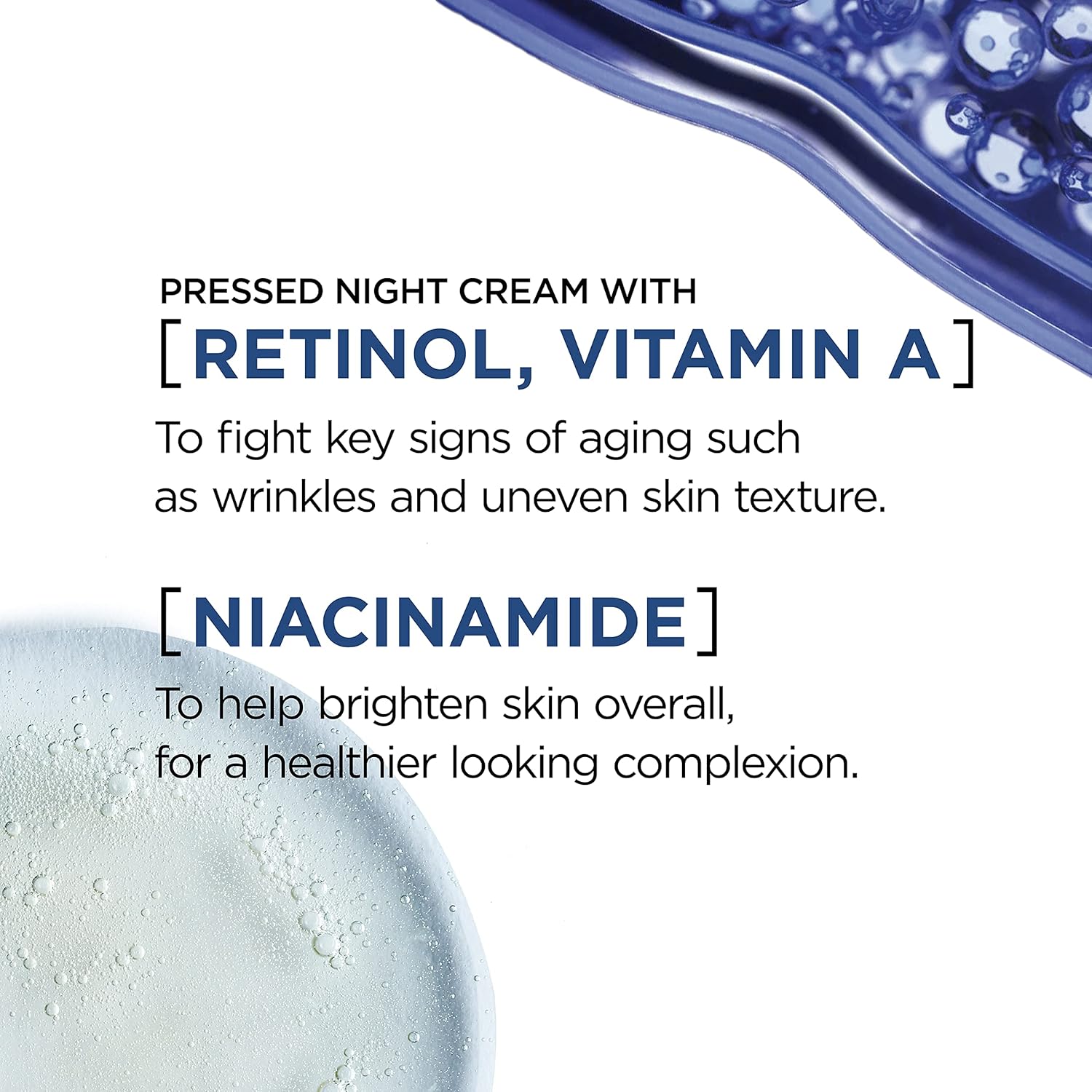
Check price on AmazonL’Oreal Paris Pressed Night Cream is the bracket’s most hope-forward entry, which is both an honest description and a mild caution flag. The dominant review pattern is not disappointment but deferred judgment — owners report that the texture is pleasant and lightweight, that application is comfortable, and that they are “waiting to see results.” The pressed format (a semi-solid that melts on contact) is genuinely novel at this price point and contributes to the positive sensory experience.
Allure’s published reporting on retinol delivery and texture formats notes that sensory innovation does not automatically translate to improved efficacy; what matters is the concentration and the vehicle chemistry delivering retinol to the skin. That framing tracks here: the L’Oreal earns strong scores for feel and finish, moderate scores for confirmed visible results. For a practitioner reader, this is the bracket’s most appropriate recommendation for someone who has struggled with heavy cream textures and wants retinol without feeling like they have applied an occlusive layer. Confirm results over a 6–8 week window before treating it as a long-term staple.
RoC
$28.47
In stock on Amazon
Check price on AmazonThe Tradeoffs, Named Directly
The honest bracket summary, written for someone with a decision pending:
If your priority is proven value for mature or dry skin: Olay Regenerist is the safest recommendation with the most consistent owner satisfaction. Its reviewer cohort skews older, its results are specific, and its price-to-performance ratio holds up under scrutiny.
If efficacy over comfort is acceptable and tolerance is established: RoC has the most owner-documented wrinkle improvement in this bracket, but it demands an existing retinol baseline and benefits significantly from the sandwich moisturizer buffer.
If you want disclosed concentration, gentle delivery, and genuine spot-treatment efficacy: Good Molecules Gentle Retinol Cream is the bracket’s clearest overperformer per dollar, especially for normal-to-combination skin.
If generational brand trust and a structured concentration system matter: No7 earns that confidence, with the fragrance caveat clearly communicated upfront.
If texture tolerance is the limiting factor: L’Oreal Pressed Night Cream wins on sensory experience; confirm results over a 6–8 week window before treating it as a long-term staple.
Frequently Asked Questions
Do I need to apply a separate moisturizer on top of a retinol night cream, or is the cream enough?
For most users, a well-formulated retinol cream — particularly the Olay and Good Molecules options in this bracket — is designed to function as a complete night treatment. A separate moisturizer is not required but is never harmful, and for users with dry or sensitized skin, layering a simple, fragrance-free moisturizer underneath (the sandwich method) reduces retinol-induced irritation meaningfully. RoC reviewers who documented sensitivity found this approach transformative.
Why does RoC irritate some users so severely while others use it nightly with no problem?
Skin barrier integrity is almost certainly the key variable. Retinol’s irritation potential scales with how much access it gets to living skin cells; a compromised or naturally thin barrier offers less buffering, so the same formula hits differently across individuals. Users with established retinol tolerance, intact barrier function, and normal-to-oily skin tend to tolerate RoC without incident. Users with reactive, dry, or eczema-prone skin are the ones generating the severe reaction reports.
Is the 1% retinol in Good Molecules actually strong enough to see results, or should I go higher?
The Paula’s Choice Ingredient Dictionary entry on retinol confirms that 1% sits within the evidence-supported efficacy range for fine lines, texture, and sun damage — it is not a cosmetic concentration. Byrdie’s roundup of retinol creams similarly notes that concentrations at or above 0.3% show measurable results in controlled settings, and 1% sits well above that threshold. The relevant question is not whether 1% works but whether your skin can tolerate it; Good Molecules’ formulation context appears to make that tolerance accessible to a wider range of users than most.
How often per week should a beginner use a retinol night cream before going every night?
Allure’s published guidance on building retinol tolerance — covered in their feature “Do You Really Need to Build Up a Retinol Tolerance?” — recommends starting at two nights per week for the first two weeks, moving to every other night for weeks three and four, and then assessing for daily use. This ramp is appropriate for all five products in this bracket, though Good Molecules’ gentle formulation may allow a faster progression for users who show no initial sensitivity.
Can I use a retinol night cream around my eyes, or only on the rest of my face?
The eye area has thinner skin and a higher density of irritant receptors, which is why most dermatologists recommend keeping retinol products to the orbital bone (the bony rim around the eye socket) rather than the eyelid itself. For under-eye fine lines and crow’s feet, applying residue from the fingertip — rather than a direct application — is a commonly cited approach. Of the products in this bracket, No7’s concentrate and Good Molecules’ buffered formula are the ones most often mentioned in the context of periorbital use; RoC is consistently flagged as too high-risk near the eyes.
Will retinol creams make my skin peel noticeably in the first few weeks?
Peeling — technically called retinization — is common but not universal, and it is not required for results. The peeling reflects accelerated cell turnover and tends to peak around weeks two through four before subsiding. Among this bracket’s products, RoC generates the most reports of visible flaking; Good Molecules generates the fewest. If peeling is socially or professionally inconvenient, starting on a two-nights-per-week schedule and applying a plain moisturizer in the morning will reduce but not necessarily eliminate it.