July 14, 2026 • Celeste Morrow • 8 min reading time • Prices verified June 4, 2026
Vitamin C Serums From $6 to $120: An Honest Cost-Per-Drop Analysis
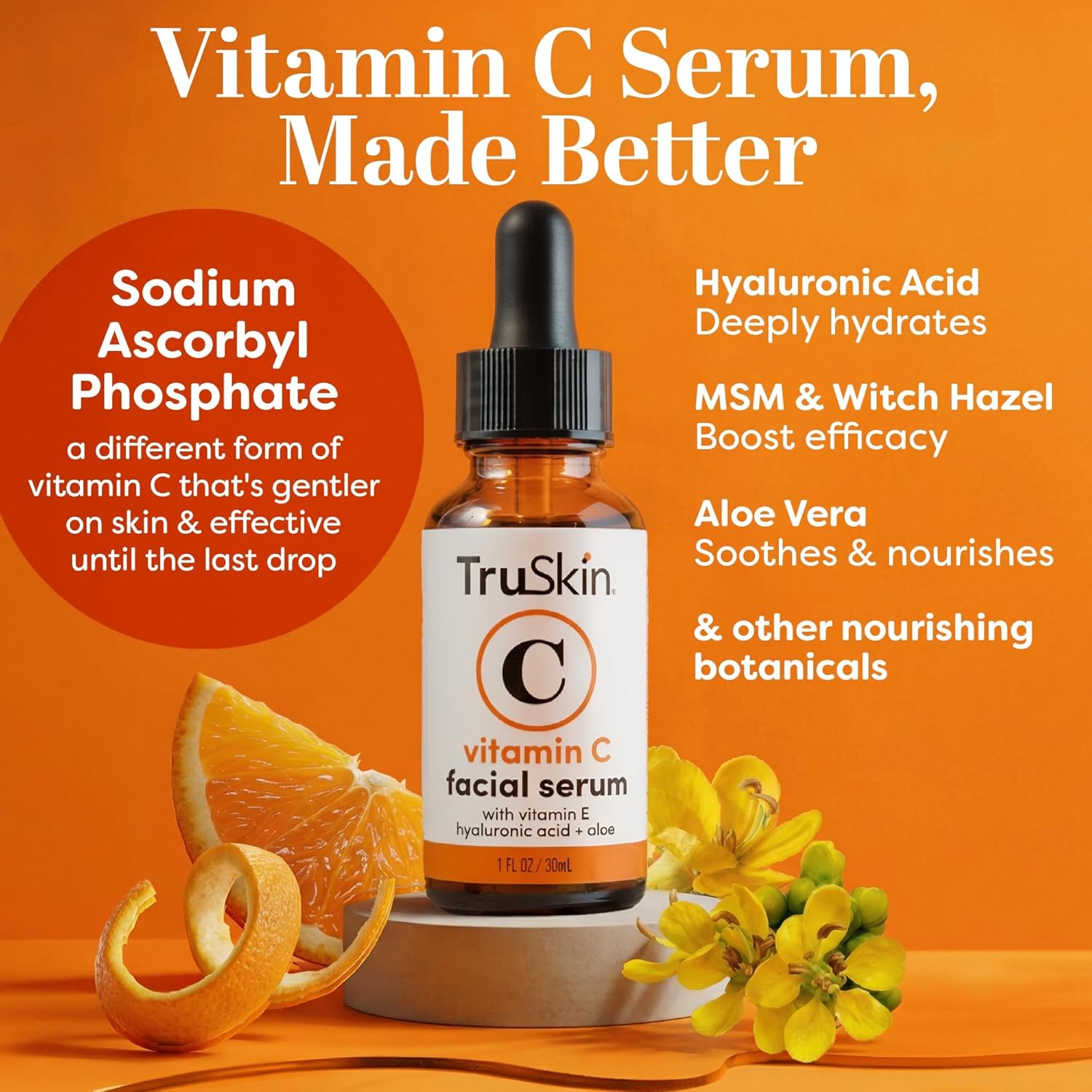
If there’s a single skincare ingredient that gets talked about at every price point — from drugstore end caps to Sephora’s prestige wall — it’s vitamin C. In skincare, “vitamin C” is a catch-all name for a family of ingredients that help brighten uneven skin tone, fade dark spots left by sun exposure or old breakouts, and support the skin’s natural collagen (the structural protein that keeps skin firm). The most studied form is called L-ascorbic acid, but you’ll also see it listed as ascorbyl glucoside, sodium ascorbyl phosphate, or THD ascorbate — each a different derivative with its own stability and delivery profile. The question most people eventually land on isn’t whether vitamin C works; the evidence is solid. The question is whether a $6 drugstore bottle does the same job as a $120 prestige serum. This guide works through the real cost-per-milliliter math and names exactly what changes — and what doesn’t — as the price climbs.
| EDITOR'S PICKObagi Medical Professional-C Vi… | Mid-tierTruSkin Vitamin C Serum for Fac… | Budget pickThe Ordinary Ascorbyl Glucoside… | |
|---|---|---|---|
| Strength | — | — | 12% |
| Volume | 0.42 Fl Oz | — | 1 Fl Oz |
| Size | 0.42 Fl Oz | — | 1 Fl Oz |
| Skin type | Sensitive | — | — |
| Price | $85.00 | $19.99 | $14.80 |
| See on Amazon → | See on Amazon → | See on Amazon → |
The Cost-Per-mL Math: What You’re Actually Paying
Let’s establish the framework before touching a single formula. A serum bottle’s retail price is almost meaningless without knowing how many milliliters (mL) are inside, how many drops constitute a single application, and how many applications you’ll realistically get. Most facial serums deliver somewhere between 0.25 mL and 0.5 mL per pump or dropper application; dermatologists quoted in Allure’s vitamin C roundup generally recommend a pea-sized amount once daily.
Here’s where the math starts doing work:
By the numbers — selected vitamin C serums at mid-2026 retail
| Product | Size | Retail | Price/mL | Est. Days Supply (1 pump/day) |
|---|---|---|---|---|
| TruSkin Vitamin C Serum | 30 mL | ~$20 | $0.67/mL | ~60 days |
| The Ordinary Ascorbic Acid 8% + Alpha Arbutin | 30 mL | ~$12 | $0.40/mL | ~60 days |
| Paula’s Choice C15 Super Booster | 20 mL | ~$52 | $2.60/mL | ~40 days |
| SkinCeuticals C E Ferulic | 30 mL | ~$182 | $6.07/mL | ~60 days |
| Drunk Elephant C-Firma Fresh Day Serum | 30 mL | ~$90 | $3.00/mL | ~60 days |
Prices reflect authorized U.S. retailer pricing as of May 2026 (Sephora, Dermstore, brand DTC). Dropper-per-application estimates are approximate and vary by use habit.
Even this rough table shows something important: the jump from The Ordinary’s $0.40/mL to SkinCeuticals’ $6.07/mL is a 15x price increase per milliliter. That gap demands an explanation beyond branding.
What Actually Changes as the Price Climbs
This is where the practitioner frame matters most. Price in vitamin C serums tracks three real variables — and a fourth that’s mostly marketing.
1. The Form of Vitamin C Used
L-ascorbic acid (LAA) is the active form your skin actually uses. It’s also the most studied, but it’s notoriously unstable: it oxidizes quickly when exposed to air, light, and water, turning a serum from clear or pale yellow to orange-brown and losing efficacy before the bottle is finished. Per Cosmetics & Toiletries’ coverage of ascorbic acid stability, maintaining LAA in a cosmetic formula at an effective pH (below 3.5) and preventing oxidation requires significant formulation engineering — either through packaging innovation (airless pumps, opaque glass, single-dose vials), antioxidant synergists like ferulic acid and vitamin E, or both.
SkinCeuticals C E Ferulic is the canonical example at the top end: 15% LAA paired with ferulic acid and vitamin E in a low-pH base, housed in an opaque dropper. Byrdie’s ongoing vitamin C coverage consistently names it as the benchmark that other serums are measured against. The formulation research behind that combination is legitimately robust. You are, in part, paying for real stability science.
Derivatives like ascorbyl glucoside, sodium ascorbyl phosphate, and THD ascorbate are gentler on the skin barrier (lower irritation potential) and far more stable in water-based formulas, but they require enzymatic conversion in the skin to become active L-ascorbic acid. Paula’s Choice’s ingredient dictionary notes that while derivatives can be effective, the conversion rate and depth of delivery are generally lower than direct LAA — though they are a legitimate option for sensitive skin types who can’t tolerate low-pH formulas. EWG’s Skin Deep database rates the key ascorbic acid forms as low-concern from a safety standpoint across the price spectrum.
2. Concentration — And Whether It’s Meaningful
Effective L-ascorbic acid concentrations in published clinical literature run roughly 10–20%. Below 8%, LAA’s brightening evidence gets thin; above 20%, irritation rises without proportional benefit. The Ordinary’s 8% + Alpha Arbutin formula sits at the functional lower bound — appropriate for vitamin C newcomers or those layering with other actives. Paula’s Choice C15 hits the middle of the therapeutic window. SkinCeuticals C E Ferulic at 15% sits in the clinical sweet spot.
But concentration without stability is almost meaningless. Dermstore’s editorial guidance on vitamin C shopping specifically flags this: a 20% LAA product in a clear glass bottle with a dropper may have oxidized significantly before you get to week three. Check the color — fresh LAA serums should be clear to very pale straw. Anything deeply yellow or orange-tinged at time of purchase is already degraded.
Derivative-based formulas at budget price points (ascorbyl glucoside at 2–3%) are harder to evaluate for potency because published penetration data is thinner. Owners of budget serums in aggregated reviews often report gradual brightening over 8–12 weeks, which is consistent with slower conversion rates — real, but slower than concentrated LAA.
3. Supporting Cast: What’s in the Base
At $50+, formulators typically build out the base beyond the active. The Drunk Elephant C-Firma Fresh Day Serum at ~$90 includes L-ascorbic acid (15%) alongside a pumpkin ferment extract and pomegranate enzyme aimed at cellular turnover support. Reviewers at Byrdie and Allure note this contributes to a glow effect beyond what vitamin C alone would deliver, which partially justifies the premium over pure-play LAA serums. Whether you need that complexity depends on whether the add-ins address other skin concerns you’re targeting.
Budget serums often use simpler humectant bases (glycerin, hyaluronic acid) — functional carriers, but not compounding the efficacy of the active.
4. The Marketing and Real Estate Premium
The fourth variable is honest to name: some percentage of prestige pricing is for packaging, retail-shelf placement at Sephora or Nordstrom, and brand storytelling. This isn’t entirely waste — opaque, airless packaging genuinely extends LAA stability. But a sleek bottle that photographs well isn’t, by itself, efficacy. The clearest tell: compare the ingredient deck, not the marketing language. If a $95 serum lists LAA at 10% in a water base with no antioxidant synergists, it’s paying for the bottle and the display case.
The Shelf-Life Problem No One Talks About Enough
Cost-per-mL math has a hidden variable: how long the product stays effective after opening. LAA serums begin oxidizing on first air exposure. Industry estimates — cited in Cosmetics & Toiletries’ stability coverage — put the oxidation window for opened LAA formulas at roughly 3 months before meaningful potency loss, even with good packaging.
If you’re applying once daily and using roughly 0.3–0.4 mL per application, a 30 mL bottle should last about 75–100 days — just inside that window if you store it correctly (cool, dark, capped). If you’re inconsistent, the math flips against you: a $12 bottle that sits unused for four months has a worse effective cost-per-dose than a $90 serum used faithfully every morning.
This is the practical reason some practitioners prefer single-use vitamin C ampules (common in professional treatment lines) or small-format bottles: it’s not just luxury sizing, it’s fresh-formula insurance.
The Decision Framework: If X, Then Y
This is the question the cost-per-mL analysis is actually trying to answer. Here’s the honest version:
If you’re new to vitamin C or have reactive skin: Start with a stable derivative — ascorbyl glucoside or sodium ascorbyl phosphate — at a budget-to-mid price point. The Ordinary and similar brands offer workable entry points. You’re not getting peak LAA efficacy, but you’re also not burning through a $120 bottle while figuring out your tolerance. Owners across aggregated reviews report real brightening results within 8–12 weeks.
If you’re mid-protocol and tolerating actives well: A 10–15% LAA formula in proper packaging (airless or opaque) at the $40–$60 range is the performance sweet spot. Paula’s Choice C15 consistently comes up in Dermstore’s and Byrdie’s best-of roundups as hitting clinical concentration without prestige pricing. This is where the cost-per-mL math is most favorable relative to formulation quality.
If you’re managing significant hyperpigmentation, post-inflammatory marks, or melasma as part of a structured regimen: The SkinCeuticals C E Ferulic premium starts to make clinical sense. Byrdie’s long-form vitamin C analysis and dermatologist-sourced commentary in Allure both flag the ferulic acid + vitamin E + 15% LAA synergy as the formulation combination with the deepest clinical backing. At $182/30 mL, you’re paying $6/mL — that’s a real premium. But if you’re going to use it consistently (the only way it works), the cost per completed treatment cycle is defensible.
If you’re a makeup artist or esthetician recommending vitamin C to clients: The stability-per-shelf-week question becomes professional. Single-dose ampules or small-format professional dispensing sizes reduce waste and ensure clients are applying fresh product. Budget formats left in a bathroom for six months are not the same product they were on day one.
If you’re evaluating any vitamin C serum purchase above $60: Turn the bottle over and read the ingredient list before the marketing copy. Confirm LAA (listed as “ascorbic acid”) appears in the first five ingredients. Check the packaging for airless pump or opaque, UV-protective glass. Verify the serum is pale or clear at point of purchase. These three checks do more than the brand story.
The bottom line is that the $6-to-$120 range is real, but the performance gap is not linear. There’s a legitimate jump from unstable budget formulas to properly engineered mid-tier ones around the $40–$60 mark. The second jump — from $60 to $120+ — is narrower, and mostly justified by formulation pedigree, clinical citation depth, and packaging-driven stability. Know which gap you’re buying across, and the math becomes straightforward.