August 14, 2026 • Celeste Morrow • 9 min reading time • Prices verified June 4, 2026
Vitamin C Oxidation, Bottle Size, and Stability: What Buyers Learn the Hard Way
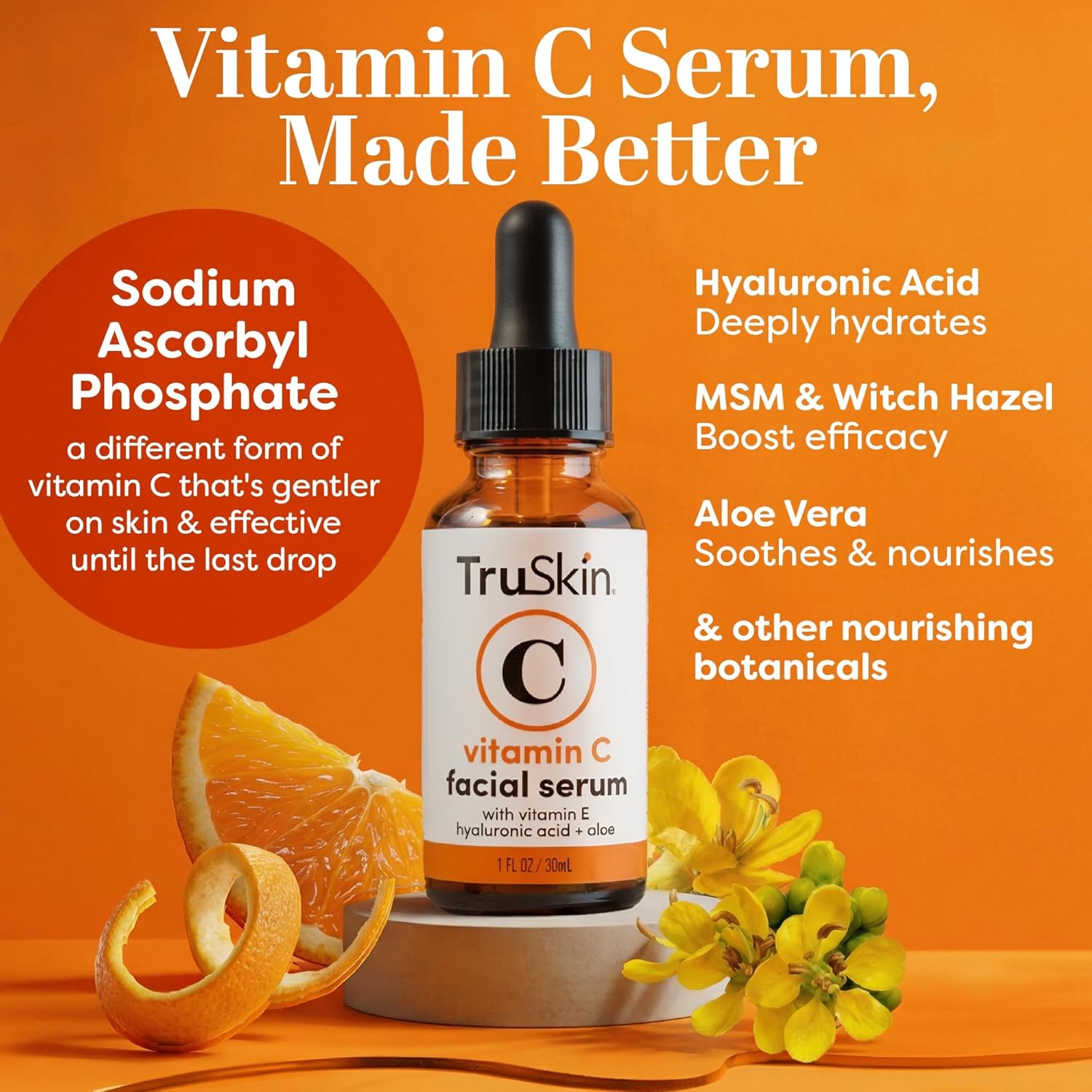
Vitamin C serum is one of the most popular products in skincare — and one of the most misunderstood. At its core, vitamin C serum delivers an antioxidant (a molecule that neutralizes damage-causing free radicals) directly to your skin, where it can help fade dark spots, brighten overall tone, and support collagen production. The most studied form is called L-ascorbic acid, which is the pure, biologically active version of vitamin C. The problem? L-ascorbic acid is famously unstable. Expose it to air, light, or heat, and it oxidizes — meaning it degrades chemically, turning from a clear or pale yellow to a deep amber or orange, and losing much of its effectiveness in the process. That $90 bottle sitting on your sunny bathroom shelf may be doing far less than you paid for it. This guide breaks down what experienced buyers have learned — sometimes after wasting entire bottles — about keeping vitamin C serums working from the first pump to the last.
Why Vitamin C Is So Hard to Keep Stable
The instability of L-ascorbic acid isn’t a marketing problem — it’s basic chemistry. As Paula’s Choice’s ingredient review library explains, L-ascorbic acid is highly reactive by nature: that reactivity is precisely what makes it effective as an antioxidant, but it also means the molecule readily donates electrons to oxygen in the air, light photons, or trace metals in water, degrading into a compound called dehydroascorbic acid and eventually into diketogulonic acid — neither of which has meaningful skin benefit.
Formulators have spent decades trying to slow this down. The two main strategies are:
1. pH and concentration management. L-ascorbic acid is most effective at concentrations between 10–20% and at a pH below 3.5, according to published formulation science reviewed by Cosmetics and Toiletries. But that acidic pH also makes it more prone to oxidation once the bottle is opened, because every dose of oxygen introduced at each pump or dropper opening accelerates the cascade.
2. Derivative forms. Chemists have created stabilized vitamin C derivatives — molecules that are more resistant to oxidation and gentler on the skin, at the trade-off of being less directly bioavailable. The most common ones buyers encounter are:
- Ascorbyl glucoside — a vitamin C molecule bonded to glucose; converts to L-ascorbic acid on skin via enzymes, more slowly
- Sodium ascorbyl phosphate — water-soluble, stable at neutral pH
- 3-O-ethyl ascorbic acid — increasingly popular in newer formulas for its stability-to-efficacy balance
- Ascorbyl tetraisopalmitate — oil-soluble, often used in richer textures
Each derivative represents a different trade-off between stability and speed of results — a decision point that matters differently depending on whether you’re managing hyperpigmentation urgently or doing general maintenance brightening.
The Bottle-Size Lesson Buyers Keep Learning
This is the mistake that shows up in reviews with striking regularity, and it’s worth stating plainly: buying the larger bottle of a vitamin C serum is often a false economy.
TruSkin’s vitamin C serum — a well-regarded, accessible option — is a case study in this pattern. Multiple buyers have gone back to update their reviews specifically to warn newer purchasers away from the 2 oz size. The recurring report: the serum oxidizes and turns orange well before the bottle is finished, even with consistent daily use. One reviewer noted they’d repurchased specifically in the 1 oz size after the experience, describing it as a corrective lesson rather than a preference. The math is straightforward:
By the numbers: A 1 oz (30 ml) bottle used morning-only at 4–5 drops per application lasts roughly 60–75 days. A 2 oz (60 ml) bottle at the same rate runs 120–150 days — well past the 90-day post-opening stability window most L-ascorbic acid formulators recommend. At that pace, the last quarter of a 2 oz bottle is likely degraded product.
Byrdie’s vitamin C serum coverage makes this same point: once opened, most L-ascorbic acid formulas should be used within two to three months. The “per-ml savings” on a larger bottle evaporates entirely if the final 30% of the product has oxidized into ineffectiveness. For vitamin C specifically, the 1 oz or 30 ml size is almost always the smarter purchase, even if the per-ml price is modestly higher.
Ferulic Acid, Vitamin E, and Why the Supporting Cast Matters
Some formulas hold up meaningfully better over time — and the ingredient deck explains why. Buyers who’ve used Timeless Skin Care’s 20% Vitamin C + E Ferulic Acid Serum over five-plus years consistently return to one specific point in their reviews: the combination of ferulic acid and vitamin E (tocopherol) alongside L-ascorbic acid isn’t just marketing language. It reflects real formulation science.
As Paula’s Choice’s antioxidant research notes, ferulic acid is a plant-based antioxidant that has been shown in peer-reviewed studies to roughly double the stability of L-ascorbic acid when combined with it at proper concentrations. Vitamin E (tocopherol) works synergistically as well, helping to regenerate vitamin C molecules within the formula. The result is a formula that, by most long-run buyer accounts, stays usably clear and effective longer than comparable single-ingredient L-ascorbic acid serums. Timeless repeat buyers over five or more years consistently cite this combination as their reason for staying — not brand loyalty for its own sake, but observed consistency in results and formula appearance over time.
This is why, when you’re comparing two serums at similar price points, the presence of ferulic acid and vitamin E in a vitamin C formula is a meaningful stability signal, not just an added-benefit footnote.
Fresh-Mix Systems, Derivatives, and the No-Sting Crowd
Two other real-world patterns worth naming explicitly:
The Drunk Elephant fresh-mix mechanism. Drunk Elephant’s C-Firma Fresh Day Serum uses a two-chamber system: the vitamin C powder and the activating serum are stored separately and combined at first use, then refrigerated. Reviewers on their third or fourth bottle specifically call this out as a meaningful differentiator — not a gimmick. The logic is sound: keeping the reactive L-ascorbic acid powder isolated from the liquid base until activation dramatically limits pre-use oxidation. The trade-off buyers consistently note is the smell: once mixed, the formula has a notably intense sulfur-adjacent odor that some users find off-putting, though most report it fades quickly after application. Allure’s coverage of vitamin C serums describes the fresh-mix approach as one of the more rigorous engineering solutions to the stability problem for L-ascorbic acid formulas. For buyers who want maximum potency L-ascorbic acid and are willing to manage the freshness window and the scent, reviewers consistently find it worth the complexity.
The derivative path for sensitive skin. The Ordinary’s Ascorbyl Glucoside Solution 12% and Naturium’s Vitamin C Complex both represent the other end of the trade-off spectrum. Reviewers of The Ordinary’s ascorbyl glucoside formula report zero irritation with remarkable consistency, including users who describe themselves as reactive to most actives. The honest caveat, which several reviewers raise themselves: they’re uncertain whether the results match L-ascorbic acid for speed, particularly on dark spots. This maps to what the formulation science suggests — ascorbyl glucoside requires enzymatic conversion on the skin before becoming active, which is inherently slower than direct L-ascorbic acid delivery.
Naturium’s Vitamin C Complex buyers report a similarly no-sting experience, and a notable subset mention switching from prescription tretinoin (a retinoid used for acne and anti-aging) as context — meaning these are users with sensitized skin barriers who needed a brightening active they could tolerate. The contrast with adjacent vitamin C reviews that mention stinging and redness is consistent enough to be a real signal about the formula’s gentleness profile.
The decision frame: If you’re managing active post-inflammatory hyperpigmentation (dark marks left after breakouts or inflammation) and want speed, L-ascorbic acid with ferulic acid — properly stored — is the first-line choice. If you’ve had irritation reactions to L-ascorbic acid formulas or are stacking multiple actives, a derivative like ascorbyl glucoside or a complex formula is a more sustainable daily option, even at some cost to pace of results.
Frequently Asked Questions
Does the size of the bottle actually affect how well vitamin C serum works? Yes — indirectly but significantly. The serum itself doesn’t change based on bottle size, but a larger bottle means more time between first opening and final use. Since L-ascorbic acid formulas begin degrading once exposed to air and light, a 2 oz bottle used at a normal pace often runs well past the 90-day stability window. Multiple TruSkin buyers have documented this specifically. For most users, 1 oz is the practical maximum.
How can I tell if my vitamin C serum has oxidized? Color change is the most reliable indicator. A fresh L-ascorbic acid serum is typically clear to very pale yellow. As Self’s skincare oxidation guide notes, a shift to medium yellow, then amber, then orange or brown signals progressive oxidation. Light orange is where most dermatologists advise stopping use — not because oxidized vitamin C is harmful, but because it’s delivering significantly diminished benefit and, at advanced oxidation, may be mildly pro-inflammatory.
Is ascorbyl glucoside as effective as L-ascorbic acid for dark spots? It works through the same mechanism but more slowly, because it requires conversion on the skin. For gradual maintenance brightening and prevention, reviewers report satisfactory results. For active dark spot treatment with urgency, L-ascorbic acid at 15–20% with ferulic acid has a stronger evidence base and faster reported outcomes, per Paula’s Choice’s ingredient library. It’s a pace trade-off, not an effectiveness ceiling.
Why does my vitamin C serum smell strange — is it still safe to use? Depends on the smell. A faintly metallic or “hot dog water” odor in a fresh L-ascorbic acid formula is normal — it’s the sulfur chemistry of ascorbic acid. If you’re using a fresh-mix system like Drunk Elephant’s, the sulfur smell is expected and fades. An increasingly sour, vinegar-like, or rancid smell in a formula that previously smelled neutral may indicate oxidation or contamination, and is a reason to replace the bottle.
Should I refrigerate my vitamin C serum to make it last longer? Refrigeration slows oxidation meaningfully — heat accelerates the degradation reaction, so cooler storage extends usable life. It’s particularly useful if you live in a warm climate or can’t avoid bathroom humidity. The practical caveat: repeated temperature cycling (fridge to room temp and back daily) can stress emulsion-based formulas. Consistent cool and dark storage, whether in a fridge or a drawer away from heat, is the goal. Byrdie’s vitamin C coverage recommends this consistently.
Does the Drunk Elephant fresh-mix system actually make a difference? Based on what reviewers who’ve used multiple vitamin C serums consistently report: yes. The engineering rationale is sound, and third-time buyers specifically credit the system for why their serum looks and performs consistently across uses. The trade-off is the mixing step, the refrigeration requirement once activated, and the smell. For buyers who’ve had bad experiences with oxidized serums, the fresh-mix approach directly addresses the root cause.