July 29, 2026 • Celeste Morrow • 10 min reading time • Prices verified June 4, 2026
The Vitamin C Serum Texture and Tolerance Test: L-Ascorbic Acid vs. Derivatives for Sensitive Skin
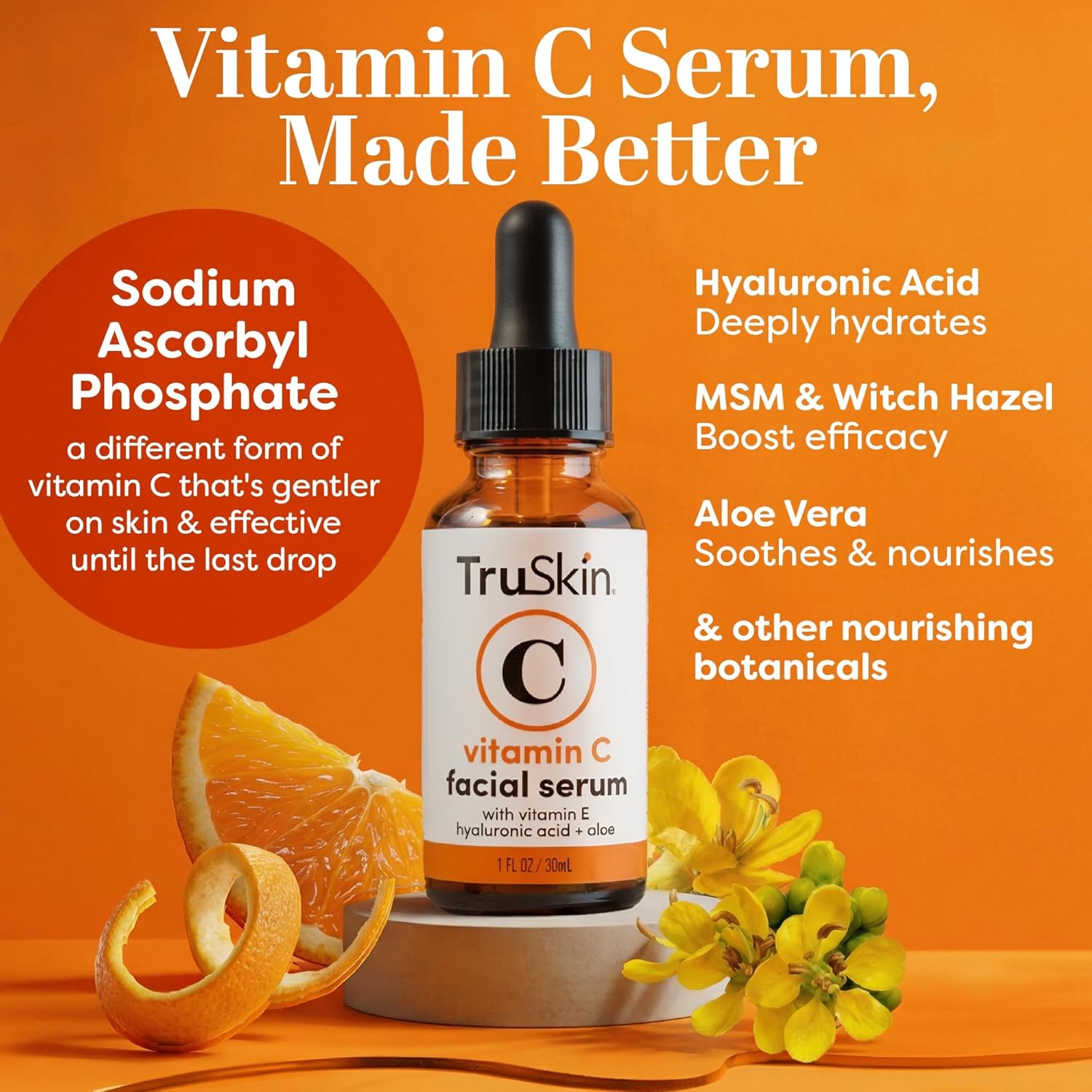
If you’ve ever picked up a vitamin C serum — a product designed to brighten skin, fade dark spots, and shield against daily environmental damage — and felt an immediate sting or redness, you’re not imagining things, and you didn’t pick a bad product. You may have just started with the wrong form of vitamin C for your skin. Vitamin C shows up in serums in several chemical versions, and those versions differ dramatically in how assertive they are on contact. The gold-standard form, called L-ascorbic acid (abbreviated LAA), is the one with the most published research behind it, but it’s also the most likely to sting, tingle, or cause short-term redness — particularly at the higher concentrations found in prestige formulas. Gentler cousins like ascorbyl glucoside, sodium ascorbyl phosphate, and THD ascorbate (a lipid-soluble version) are less immediately potent but are far easier to tolerate daily. This guide walks through the real tradeoffs between those forms, names specific products where the pattern is clearest, and ends with decision rules you can apply to whatever’s currently sitting in your cart.
Why Form Matters More Than Percentage on the Label
The “20% vitamin C!” claim on a serum box sounds impressive, but dermatologists and cosmetic chemists are increasingly cautious about leading with that number. Paula’s Choice’s Ingredient Dictionary entry on ascorbic acid notes that L-ascorbic acid requires a low pH environment — typically below 3.5 — to remain stable and penetrate the skin barrier effectively. That acidic environment is precisely what produces the characteristic stinging sensation on sensitized, rosacea-prone, or compromised skin. The efficacy sweet spot that most published literature cites is 10–20% LAA, but tolerance often collapses at concentrations above 15% for reactive skin types.
Vitamin C derivatives sidestep the low-pH requirement because they’re chemically modified to be stable at a skin-friendlier pH of 5–7. The trade-off is that they need to be converted into active ascorbic acid after they’ve been absorbed — a conversion step that Cosmetics & Toiletries’ research coverage of topical vitamin C stability describes as enzymatically dependent and variable by skin type. In plain terms: derivatives are gentler by design, but you’re trusting your skin’s own biology to complete the job.
By the Numbers
| Form | Typical pH | Typical Concentration | Relative Sting Risk | Conversion Required |
|---|---|---|---|---|
| L-Ascorbic Acid (LAA) | 2.5–3.5 | 10–20% | High | No |
| Ascorbyl Glucoside | 5–7 | 2–5% | Low | Yes (enzymatic) |
| Sodium Ascorbyl Phosphate | 6–7 | 5–10% | Very Low | Yes (phosphatase) |
| THD Ascorbate | 5–7 | 1–3% | Very Low | Yes (lipase) |
The Products Where This Plays Out in Practice
Timeless CE Ferulic: The LAA Benchmark
Timeless 20% Vitamin C + E Ferulic Acid Serum is the product that most clearly illustrates both the ceiling and the floor of L-ascorbic acid formulation. The “CE Ferulic” combination — LAA paired with vitamin E (tocopherol) and ferulic acid — is drawn from Duke University dermatology research published in the early 2000s, which showed that the trio stabilizes ascorbic acid against oxidation while enhancing its UV-protective synergy. Byrdie’s vitamin C serum coverage consistently flags this formula as the accessible entry point into a category otherwise dominated by $100+ products.
Reviewers who’ve used Timeless CE Ferulic for multiple years describe it as “a staple in every person’s anti-aging program” — but the same reviewer pool includes people who never adapted to the sting and abandoned it within weeks. The ferulic acid addition is not merely marketing: cosmetic chemistry literature confirms ferulic acid’s role in photostabilization of ascorbic acid, which extends the serum’s functional life after application. That’s a meaningful ingredient decision, not a label decoration.
The freshness-and-bottle-size issue with L-ascorbic acid serums is real consumer knowledge that chemistry validates. LAA oxidizes when exposed to air and light, turning the serum from pale yellow to amber to orange-brown — a color progression that signals degraded efficacy. One frequently surfaced buyer insight across LAA serum reviews is a warning against the 2 oz size: because the bottle takes longer to finish, the later half is more oxidized than the early half. The 1 oz size, finished in 4–6 weeks, keeps the formula meaningfully fresher. This isn’t a brand-specific quirk; it’s an application of basic oxidation chemistry that applies to any LAA serum, including TruSkin Vitamin C Serum, where reviewers have flagged the same pattern explicitly.
The Ordinary Ascorbyl Glucoside Solution: The Sensitive-Skin Pivot
The Ordinary Ascorbyl Glucoside Solution 12% is the reference product for the derivative category because of how its user base self-selects. Reviewers mentioning this specific formula frequently identify themselves as having been irritated or sensitized by other vitamin C serums first — it’s explicitly a second-choice-after-LAA product for a meaningful portion of its audience. One specific use pattern that appears in owner commentary: applying this serum exclusively to the under-eye area, which is among the thinnest and most reactive skin on the face. The fact that owners trust it for that application signals formula gentleness at a level LAA serums can’t match.
Allure’s vitamin C coverage notes that glucoside forms are increasingly favored by dermatologists for barrier-compromised patients precisely because the pH compatibility means no acid burden on skin that’s already struggling. The conversion requirement — the skin’s enzymes must activate the ingredient — is a real efficiency penalty, but for a daily-use product on sensitive skin, daily gentle application over weeks compounds into visible results that reviewers describe as consistent brightening without the inflammatory downside.
Naturium Vitamin C Complex Serum: The Multi-Derivative Middle Ground
Naturium Vitamin C Complex Serum 22% takes a different formulation strategy: rather than a single high-concentration LAA formula, it blends multiple forms of vitamin C (including THD ascorbate alongside other derivatives) at a combined high percentage, which delivers a broader approach to the stability and penetration problem. The product’s owner commentary includes one of the most specific outcome anecdotes in this category: a reviewer who had stopped prescription tretinoin (a retinoid, used for cell turnover and acne) because of dryness demands, and found that this serum addressed visible smile lines while fielding unsolicited comments about apparent age. That’s a consequential claim from someone who’d already been through clinical skincare and found this serum supplemented or replaced part of that regimen.
The multi-derivative approach also means the sting profile is lower than a comparable single-LAA formula, making it more accessible for people who want the efficacy of a high-percentage vitamin C without committing to the LAA experience.
Goodal and Olay Vitamin C: The Compliance Argument
Goodal Green Tangerine Vitamin C Dark Spot Serum and Olay Vitamin C + Peptide 24 Serum occupy a different strategic position. Reviewers for both products consistently emphasize ease and pleasantness of use over measurable efficacy claims — lighter textures, no sting, fast absorption. This might read as a weakness, but the cosmetic dermatology literature has an answer for it: the best serum is the one you actually use every day. Daily compliance over six to twelve weeks is what produces visible brightening results regardless of form. Formulas that produce a mild sensory experience are correlated with higher continued use, and Goodal and Olay reviewers show that pattern clearly.
The Oxidation Question: What Your Serum’s Color Actually Tells You
Because this comes up in every LAA serum review thread and should inform your buying and storage decisions: fresh L-ascorbic acid serums are colorless to pale yellow. A serum that has turned bright yellow, then amber, then orange-brown is progressively oxidized. Paula’s Choice’s ingredient documentation confirms that oxidized ascorbic acid (dehydroascorbic acid and further breakdown products) has reduced efficacy for skin brightening, though it is not unsafe to use. The serum hasn’t become dangerous; it’s become expensive water.
Practical implications: store LAA serums away from sunlight, use opaque or airless pump packaging when available, buy the smaller bottle size unless you’re applying it daily, and note the date you open it. The 1 oz bottle of most LAA serums, used daily on face and neck, should run out in approximately 4–6 weeks — which is a timeline that keeps oxidation manageable.
Frequently Asked Questions
Why does my vitamin C serum sting and how do I stop it?
Stinging from vitamin C serums is almost exclusively an L-ascorbic acid phenomenon caused by the low-pH formulation required to keep LAA stable and bioavailable. The acid environment is what penetrates the barrier — and what triggers the sensation. Options: apply to skin that isn’t freshly cleansed (slightly higher surface pH buffers the sting), dilute application frequency to every other day while your barrier adapts, or switch to a derivative-based formula where the pH is skin-compatible. Allure’s expert coverage suggests a 2-week adjustment window is normal for LAA serums; stinging beyond that warrants a formula switch.
What is the difference between L-ascorbic acid and ascorbyl glucoside and which is better for sensitive skin?
L-ascorbic acid is the direct, active form of vitamin C — no conversion needed, but it requires an acidic formula that can irritate reactive skin. Ascorbyl glucoside is a stabilized precursor: gentler pH, minimal sting risk, but it must be enzymatically converted in the skin before it’s active. For sensitive, rosacea-prone, or barrier-compromised skin, ascorbyl glucoside or other derivatives are the practical choice for daily use. For resilient skin focused on maximum brightening efficacy, L-ascorbic acid at 10–15% remains the research-backed benchmark.
How can I tell if my vitamin C serum has oxidized and is it still safe to use?
Color is your primary indicator. Pale yellow = fresh. Amber to orange = significantly oxidized, meaningfully reduced efficacy. Dark brown = heavily degraded, time to replace. Oxidized vitamin C serums are not unsafe according to dermatological sources, but you’re paying prestige-serum prices for a product that’s lost most of its active benefit. Smell change (more sour or chemical) is a secondary signal.
Do I need ferulic acid in my vitamin C serum or is it just marketing?
Not just marketing. Ferulic acid plays a documented photostabilization role for L-ascorbic acid, meaning it slows the oxidation process both in the bottle and on the skin after application. The Duke dermatology research underpinning the CE Ferulic formula combination showed enhanced antioxidant protection compared to either ingredient alone. For derivative-based formulas where oxidation stability is already higher, ferulic acid is less critical — but it’s not a greenwashed filler in LAA formulas.
Can I use a vitamin C serum and a niacinamide serum in the same routine?
Yes, and the concern that niacinamide “cancels out” vitamin C has been debunked in contemporary cosmetic chemistry literature. The older worry was about a reaction producing nicotinic acid (niacin flush) — Byrdie’s ingredient coverage and Paula’s Choice both note that this reaction requires concentrations and temperatures not present in topical skincare. Practical layering: apply the lower-pH product first (typically your vitamin C serum), wait 30 seconds to a minute, then apply niacinamide. If you use an LAA serum and a niacinamide product and experience redness, that’s likely the LAA’s pH effect — not an ingredient interaction.
The Decision Rule
If your skin is reactive, rosacea-prone, has a compromised barrier, or you’ve been irritated by vitamin C before: start with a derivative formula (ascorbyl glucoside, sodium ascorbyl phosphate, or a multi-derivative blend). Apply daily, watch for brightening over 8–12 weeks, and consider whether the result warrants experimenting with a low-percentage LAA formula later.
If your skin tolerates acids, you’ve already adapted to actives like AHAs or retinoids, and you want the most-researched brightening formula at the most defensible price point: a CE Ferulic-type LAA formula at 15–20% is the benchmark, with a 1 oz bottle and a 6-week use window to manage oxidation.
If you’ve historically abandoned vitamin C serums because you simply forget to use something unpleasant: choose on texture and sensory experience. A derivative serum used every morning for three months outperforms a technically superior LAA serum used three times before it’s pushed to the back of the shelf.